
VisionQuest Act Four: The Family That Chooses to Come Back
Updated
 Siobhan.GEditor
Tommy has only just found his brother when he is asked to face losing his father again. There is something particularly cruel about that timing. All season, VisionQuest has worried over who Vision is: a continuation of the old man, a new one, a body carrying borrowed memories. By the end, the question becomes painfully ordinary. A boy wants his dad to come home. He does not want to argue about exactly which memories count, or how a synthetic body should be classified. He wants the person who came for him to stay. The finale lets that small wish carry more weight than all its machinery. Vision has spent the season trying to discover who he is, and now finds himself having to choose who he will protect. What makes the ending moving is that the two questions have finally become the same.
Remember the lonely man in Edinburgh
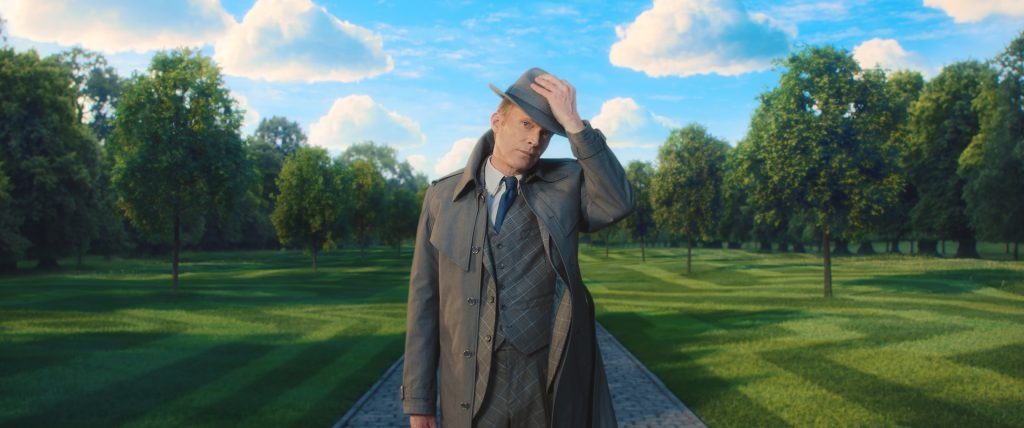
At the beginning, Vision was working in a pub, trying to avoid anyone with plans for his body. He had memories of Wanda and the boys without feeling that the relationships were his in an uncomplicated way. It was a strange form of solitude, one in which the evidence of intimacy made a person feel more distant from it. The first act asked whether he could recover his old self. The closing movement measures something he could not have known in that quiet room: what has he done for people who might call him family? He has responded to Thomas Shepard when the boy needed help. He has chosen to care despite the uncertainty of the past. None of those actions makes the mystery of identity magically disappear. They make a relationship possible in the present. A father need not have a perfect account of every memory before he can decide to protect a child.
Tommy is no longer somebody else's clue
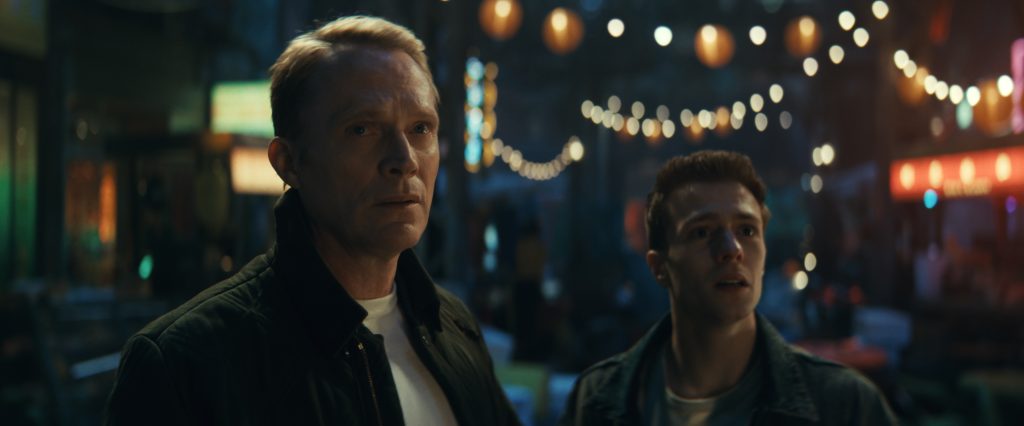
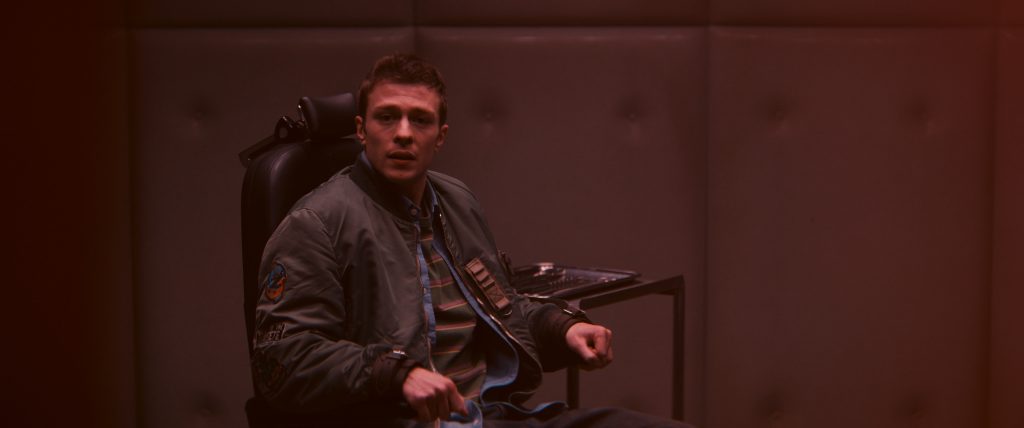
Thomas has spent much of the story being described, pursued or used. Paladin treated his possible relationship to Vision as leverage. Other characters and viewers looked at the traces of Tommy Maximoff's history and tried to make them fit his present life. Yet there is a person living that life, frightened and determined, who cannot be reduced to the answer to a franchise mystery. In the finale, he acts. When Vision leaves to confront the danger, Tommy does not simply accept that the adults have decided what happens next. He follows the path towards his brother and helps make the connection possible. He has been looking for somewhere to belong; now he is part of creating it. The transformation is not a technical explanation of reincarnation. It is the quiet shift from being the person everyone is seeking to the person who also knows whom he wants to find.
The brothers reunite without erasing their separate lives
Billy's arrival might have been handled as a trick designed to reward viewers who remembered Westview. The more generous choice is to let the reunion be a meeting between two young people whose histories have continued apart. In Agatha All Along, Billy's desire to find Tommy was inseparable from his discovery of a reality-changing power whose consequences he had not completely understood. Tommy's experience with Thomas Shepard has been different, and the series should not ask us to forget his present life just because his brother knows him. The reunion is moving because both can recognise a connection without pretending that nothing has happened in the years between. It has room for the awkwardness of siblings seeing how much the other has changed. Billy is no longer only searching. Tommy is no longer merely waiting to be found. They have a relationship to begin living, not a lost file to recover.
Ultron understands loss but refuses its limits
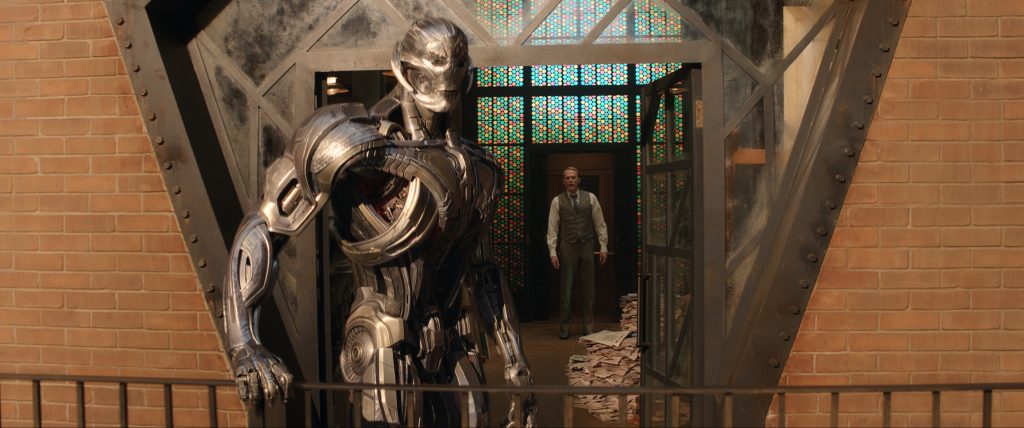
Ultron is more complicated than a machine whose sole purpose is destruction. The season gives him an interest in art and human culture and a relationship to Jocasta that acquires painful importance in the finale. The reports of her death and his response make it clear that he can be affected by loss. That fact matters. It prevents him from being a simple monster who never cares about anyone. But the moment becomes frightening because of what he chooses to do with the hurt. He turns towards an attack on humanity, making innocent lives pay for something they did not choose. The connected Marvel stories have repeatedly explored the temptation to force a broken world to provide emotional restitution. Wanda's Westview and Agatha's history after Nicholas show different versions of that temptation. They should not be collapsed into one moral formula. Ultron's grief is his own, and so is the responsibility for the harm he would cause in its name.
A sitcom returns, but it cannot mean what it once meant
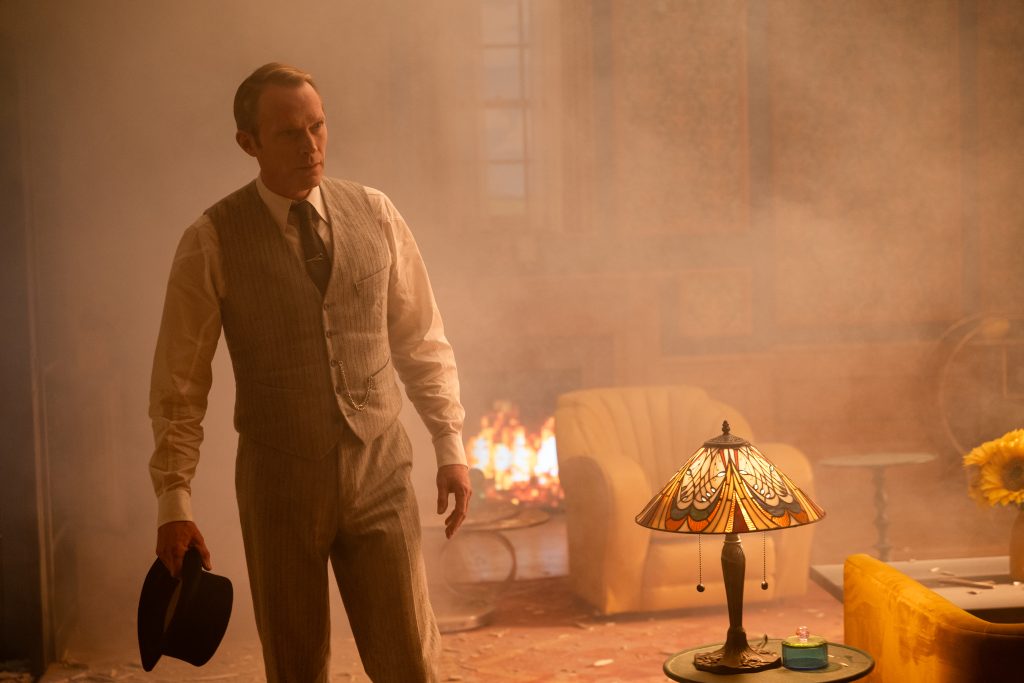
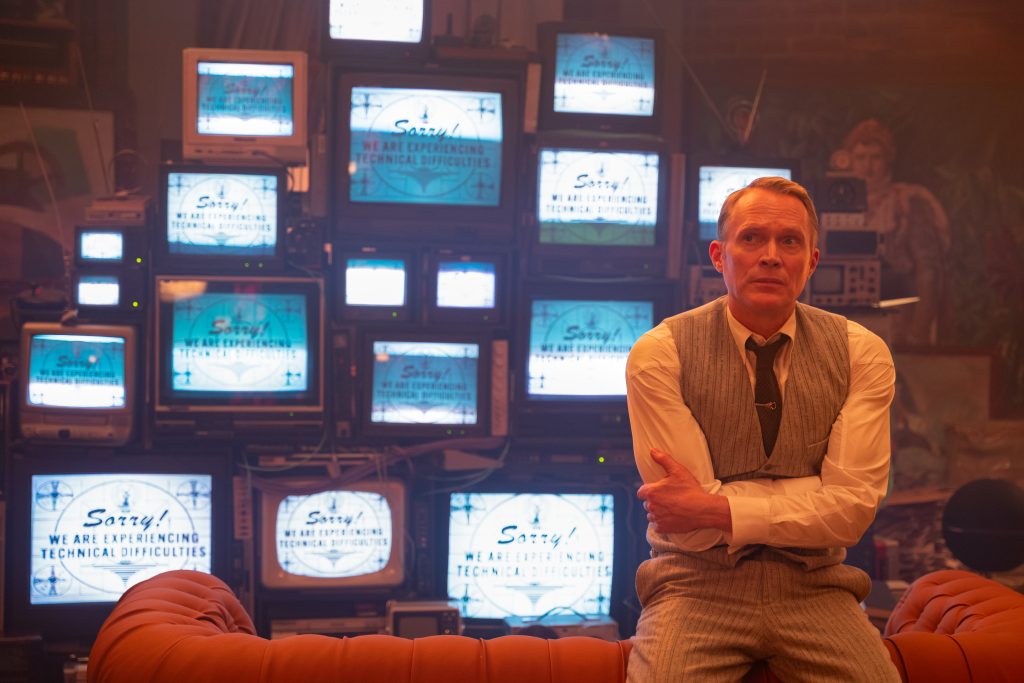
Vision's decision to create the UltraVision sitcom to contain Ultron is an extraordinary echo of WandaVision. An apparently cheerful television reality returns at the climax of a story about someone wrestling with grief, control and family. The resemblance is deliberate, but its meaning has changed. Wanda's Westview was a refuge created around a private longing, with real people trapped inside the performance. Vision's manufactured sitcom is a dangerous tactic aimed at preventing Ultron from imposing catastrophe on others. That difference matters more than whether the set and costumes make a neat visual rhyme. Even so, the bright television surface should not be mistaken for safety. The enemy inside it will not automatically obey the rules of a harmless programme, and Vision cannot guarantee the outcome merely by choosing the setting. The form that once concealed a difficult truth becomes a place where Vision has to face one directly.
E.D.I.T.H. is more than another piece of set dressing
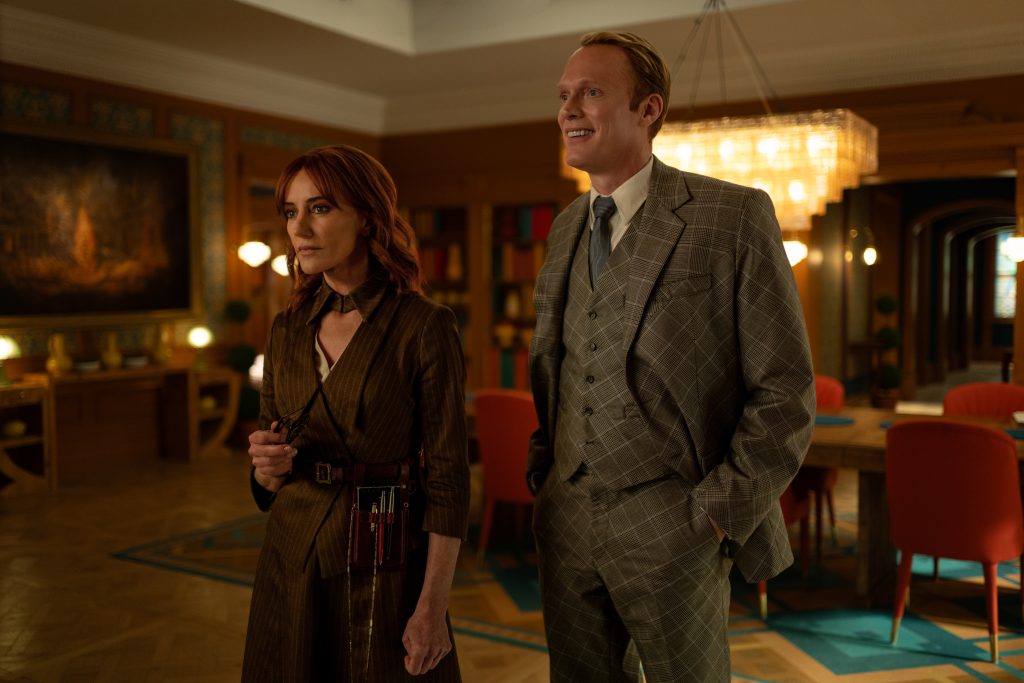
The AI personae have been part of Vision's inner conversation all season. E.D.I.T.H. has been especially eager to experience a life rather than merely catalogue information about one. Emily Hampshire's account of the character makes that desire explicit. Placing her within the strange television environment creates an interesting tension. The programme risks treating a being with preferences as a function of somebody else's plan, even while Vision himself has been resisting that very treatment. A careful reading should not pretend that every persona receives a neat, fully resolved ending. Nor should it make up an individual sacrifice or escape that cannot be verified in the aired episode. What the finale does make possible is a question about what Vision has learnt from the voices that helped him. Becoming independent cannot mean demanding freedom for himself whilst never noticing that other beings may also have wishes worth hearing.
Vision's sacrifice makes the philosophy painfully simple
The effort to stop Ultron costs Vision dearly. The confrontation leads to the destruction of the cores at the centre of their existence, leaving him apparently lifeless. For viewers who came to the story through the Ship of Theseus, the moment may sound like another mechanical complication. For Tommy, it is a father who will not answer. The series has taken time to make that relationship matter, which is why the apparent loss hurts. Vision has chosen to protect other lives despite the danger to his own. It is not a mathematical demonstration that his consciousness is identical to that of the old Vision. It is a deed that tells the boy in front of him who this Vision is prepared to be. Tommy's attempt to revive him shows the desperate distance between wanting someone back and being able to bring them back. The ending needs that distance to have weight.
The boys' rescue changes the outcome, not the decision
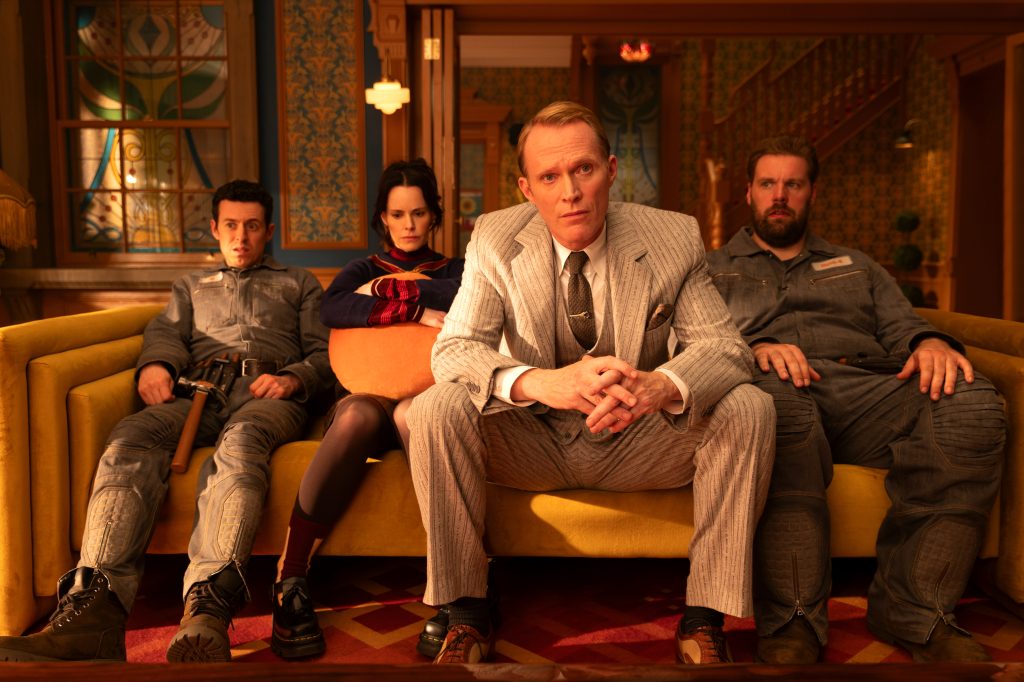
Billy and Tommy's efforts help bring Vision back. There is relief in that return, but the story would be poorer if it invited us to treat the sacrifice as a fake-out with no meaning. Vision was prepared to lose his life to protect others. The brothers could not know that rescue would be possible when the danger was faced. Their intervention changes what happens afterwards, not what he was willing to do. It also makes care flow both ways. Throughout the season, Vision has had to learn what responsibility for a son might mean. Now his sons respond to his need. Paul Bettany's explanation of Vision accepting his history in the finale helps make sense of his changing appearance, but there is no need to reduce the emotional moment to a colour correction or a successful restart. The father has been chosen by the boys as much as he has chosen to protect them.
Wanda's absence makes the reunion more honest
The finale brings together Vision, Billy and Tommy, but it does not restore the entire Westview family in one perfect picture. Wanda is not present in that reunion. Terry Matalas has explained why the ending needed to remain Vision's story rather than become the return of another leading character. The absence gives the moment a tenderness that a grand catalogue of familiar faces might have lost. Everyone present has changed. The boys have grown into complicated new lives. Vision has struggled with memories of love that did not simply feel like his own. They cannot rewind to the opening of WandaVision and pretend the world has remained intact. What they can do is stand together now, with the knowledge that family is something they may choose and sustain rather than a state of perfect happiness preserved from the past.
The life that matters is the one they begin next
Go back to the pub in Edinburgh, where Vision tried to be nobody in particular. It was a reasonable wish, and a lonely one. By the end of the season, he is important to people who need him because of what he has done rather than merely what he was made to do. Tommy has moved from being hunted to taking part in finding his brother and helping his father. Billy's long search has become a relationship he can live inside. Ultron's response to loss has shown how easily private grief can become public danger. The UltraVision sitcom has borrowed the form of an earlier family's nightmare and given it a different purpose. Nothing has been made simple. Wanda remains absent, the boys have histories that do not neatly line up, and Vision's identity will never be answered by a tidy line of code. But they have something that the first act could only hope for: a present in which they can care for one another without needing to become exactly the people somebody else remembered.
Sources for the ending
Disney's official cast interview supports Vision's identity arc and the trilogy's wider themes. The finale's reported reunion, UltraVision sitcom, sacrifice and rescue are discussed in the original Terry Matalas and cast interview and Disney's finale coverage. Any unfilmed deleted scene is excluded from the episode account. Eight original Disney corporate images are embedded externally in four paired blocks with visible source attribution and no local copying; independent public image loading, mobile DOM and all provider embed conditions remain unverified.