
Agatha All Along Act Four: What Remains After the Road
Updated
 Siobhan.GEditor
The terrible thing about reaching the end of a promised road is discovering that the people who began the journey cannot all stand beside you. That is the emotional shape of Agatha All Along. The finale resolves the puzzle of the Witches' Road and reveals the history of a mother and her son, yet it refuses to make the route a harmless illusion. Sharon, Alice and Lilia have died. Jennifer has a different future to consider. Agatha herself does not return to an ordinary living existence, and Billy remains driven by his need to find Tommy. The final act is therefore not simply a question of who wins the magical confrontation. It asks what it means to understand a deception after people have suffered within it. An explanation can satisfy a mystery; it cannot give back every life. The season finds its conclusion in that difficult difference.
Two endings are happening at once
The eighth episode brings visible confrontation and immediate consequences. The ninth looks backwards, explaining the song, Nicholas Scratch and the longer history of Agatha's deception. This ordering is important. A conventional adventure might reward the group, defeat the principal enemy and close its book. Here an apparent climax is followed by a story that changes the moral weight of everything preceding it. By returning to Agatha's past after the struggle, the series asks the audience to hold two different truths together. She has been manipulative and capable of serious harm. She is also a woman whose relationship with a mortal child has been shaped by an unbearable loss. Neither truth cancels the other. The finale gains much of its power by declining to choose the easier of two descriptions: monster or grieving mother. It shows that a person may require understanding without being owed exoneration.
Nicholas and the limits of the story Agatha can tell
For much of the Road journey, Nicholas's name functions like a sealed room in Agatha's life. Other characters and viewers try to imagine what might be behind the door. Perhaps the child was traded for power; perhaps the Road took him; perhaps the story about witches and their rewards contains the answer. The ninth episode supplies a smaller and more devastating history. Nicholas was a child who lived and died, and the Ballad was bound up with time spent together rather than an ancient guarantee of magical fulfilment. Jac Schaeffer's later account of the story explicitly rejects the idea that Death vindictively killed Nicholas because he would not take part in an evil act. That boundary matters. If the boy's death were a punishment for a hidden bargain, Agatha's pain could be folded into the mechanics of a supernatural transaction. The story instead lets loss remain loss. Her later use of the song to deceive others becomes a separate matter: an action taken after heartbreak, not a deed made innocent by it.
Rio's role is both intimate and larger than Agatha
Rio Vidal's identity as Death complicates what might otherwise look like an ordinary antagonistic romance. Agatha's resentment is personal, but Rio also represents a cosmic function that does not begin and end with one relationship. The finale's intimacy does not abolish that wider role. It makes Agatha's confrontation with mortality visible in the language of a complicated bond. The series presents their history with affection, hostility and unfinished feeling, and its final kiss carries those tensions into Agatha's physical death. A gentle interpretation need not turn the event into a simple reconciliation. There are histories that a single final moment cannot repair. Nor should a critic invent vindictive motives for Death to provide an easy explanation of Nicholas's fate. The point is that Agatha has addressed her loss through anger, evasion and deception for years, while the person associated with death can never offer her an ordinary reversal of time.
Why Sharon, Alice and Lilia must remain in the ending
It would be easy to write about the double twist and Agatha's ghost while allowing the other women to disappear from the analysis. That would repeat the very narrative temptation the series challenges. Sharon joined without the background or magical protection of the experienced witches. Alice's protection story gave her inherited music an emotional meaning before she was lost. Lilia's episode allowed the viewer to understand her experience of time and the agency of her final decision. These are not identical tragedies. They involve different levels of understanding, choice and sacrifice. The fact that Billy's manifested Road was born of a deceptive legend does not dissolve any of them. Jac Schaeffer has explained that the writers considered the significance of allowing deaths to remain rather than granting an easy restoration. The consequence is an ending that refuses to treat supporting characters as tokens redeemable at the end of a quest. The people who died were part of the price of the story, whether or not the advertised reward was genuine.
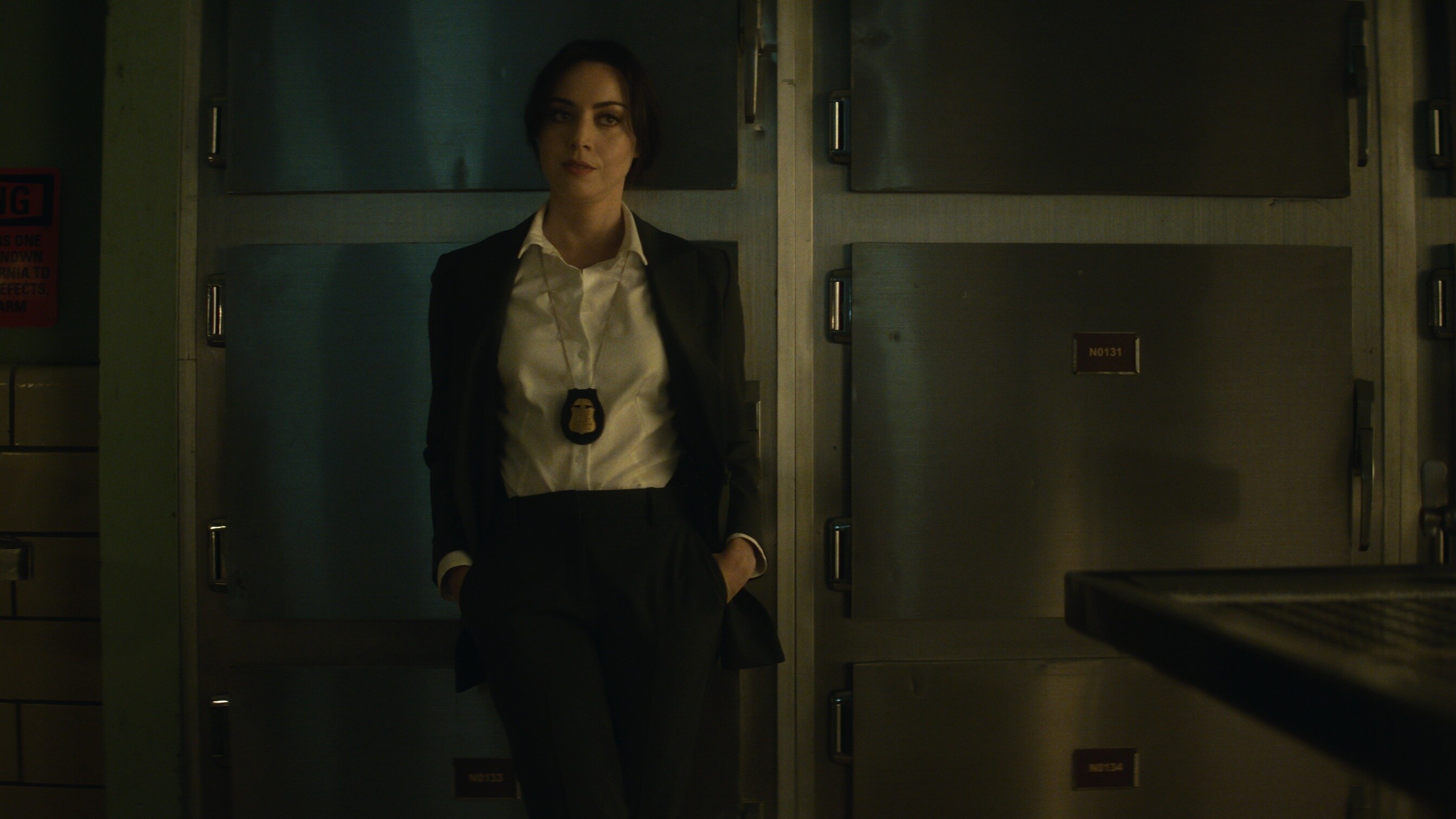
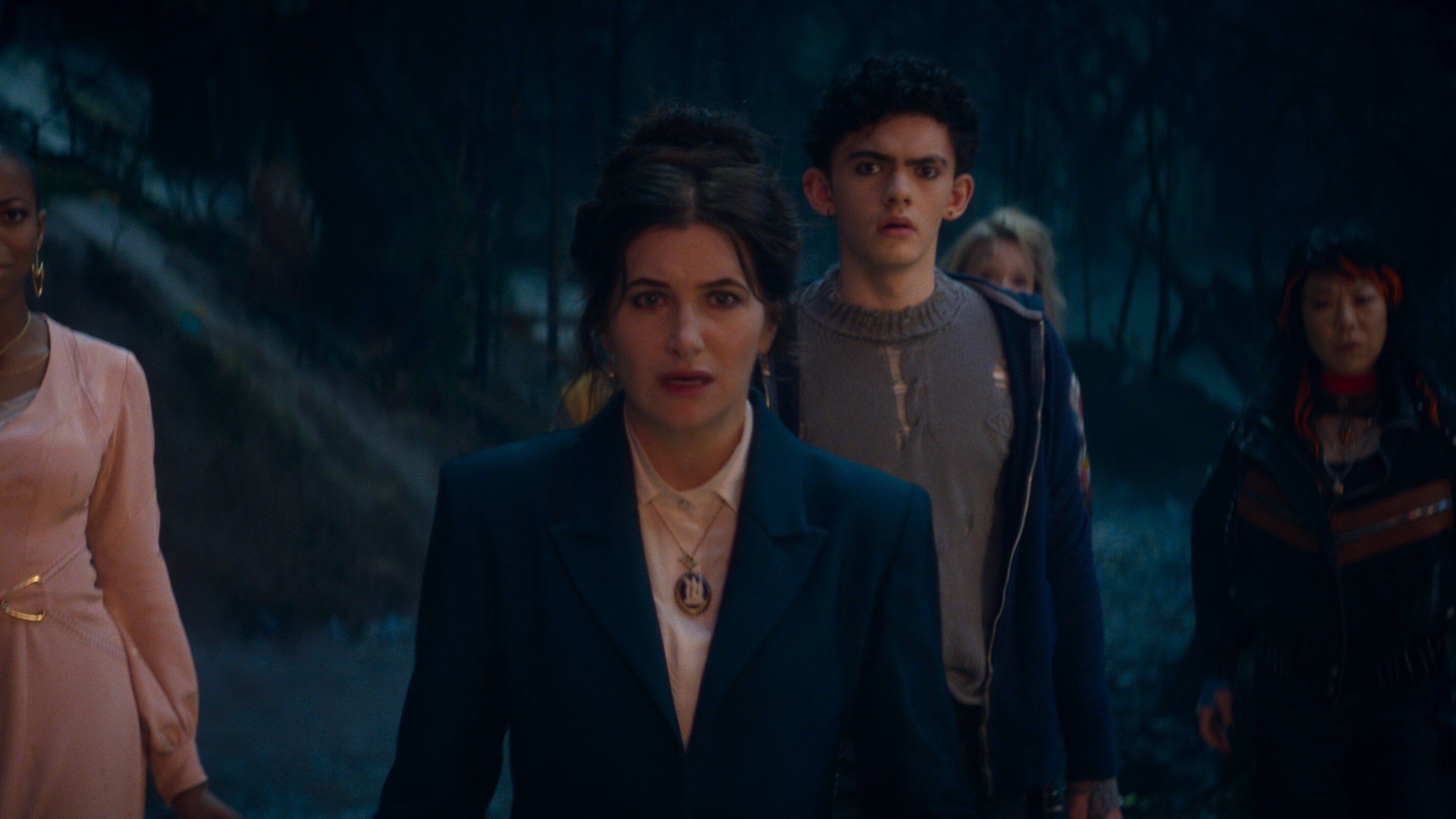
Jennifer offers a different model of survival
Jennifer Kale's resolution matters because the finale is not a uniform catalogue of punishment. She survives and recovers a relationship with power that the earlier journey has made painful and complicated. It is possible to describe her survival as meaningful without inventing a fully documented life after the series. Her story reminds readers that the coven did not consist of interchangeable candidates for one magical prize. Each person came with a different history. Jennifer's restoration cannot compensate for Sharon's death, just as Lilia's sacrifice cannot be made into a simple moral lesson for everybody else. What persists is the importance of individual lives and their separate trajectories. A fair account of the conclusion acknowledges the person who can leave, those who cannot, and those whose future remains unresolved. The Road's advertised destination had implied a single structure for all. The actual ending gives them unequal and painfully particular outcomes.
Billy learns what power cannot simply put right
Billy's role in manifesting the Road makes him central to the conclusion even though he did not knowingly choose each terrible consequence. He wanted answers concerning his identity and his family; the environment that emerged from his power shaped other people's lives. That distinction between intention and consequence is a recurring concern of the related Marvel stories. It is tempting to solve it by calling Billy innocent because he did not understand, or guilty because the Road existed through him. Neither one-word verdict captures what the show stages. He must reckon with what happened while retaining the possibility of seeking his brother. His desire to find Tommy gives the final scene a forward movement, but it does not convert the Road into a necessary sacrifice or a perfectly successful quest. The ending preserves his hope while refusing to claim that hope repays everybody else.
Ghost Agatha is continuation, not erasure
Agatha's physical death and subsequent ghostly presence offer an unusually complicated closing image for a character who has spent the season manipulating the stories others hear. As a ghost, she may guide Billy, but she is not simply restored to the position she occupied before her loss of power. Her continuing existence does not make the death meaningless; it changes the form of her relationship with the person who now carries the story onwards. It also keeps the history of Nicholas within reach without pretending that Agatha has finally explained all of her choices. One can read the ghostly partnership as a possibility for a different kind of responsibility, provided it is not presented as proof of instant moral transformation. The finale offers a future in which she may be useful, even important. It does not require the audience to forget that the Road legend helped her prey on witches over many years.
The ending returns to the original promise
At the start of the journey, the Road was supposed to grant witches what they lacked. That simple promise made different people believe they were travelling towards an answer. The conclusion reveals why the promise was never trustworthy and how a new magical reality emerged around it. Yet the most important things missing at the end are not all powers that can be awarded by passing a trial. Sharon is gone. Alice and Lilia are gone. Nicholas remains dead. Billy's search is unfinished. Agatha has changed the form of her existence, not recovered the ordinary life she lost. The final act is poignant because it leaves those absences visible. The adventure has produced knowledge, but knowledge is not restitution. It has shown love, but love does not excuse every harm. It has allowed continuation, but not a clean reset. The Road began as an extraordinary offer to end longing. It concludes by asking the characters, and the audience, to recognise that some longing must be carried rather than magically cancelled.
Finale sources and image handling
For the two-part finale and its lasting losses, read Jac Schaeffer's original finale interview. Her discussion of Nicholas, Wanda and Agatha's different responses to the loss of children appears in The Playlist. Two original image files earlier in this article are unchanged, from Disney UK Press, which labels its images ©Disney, editorial use only. They are not claimed to be finale frames.
Four additional official stills: those who cannot all return
The ending brings grief and survival into the same room. The images here are original in-series publicity stills, not falsely described as frames from the final episode. They help recall whose stories the ending must honour, including Billy, Alice, Jennifer and Lilia.
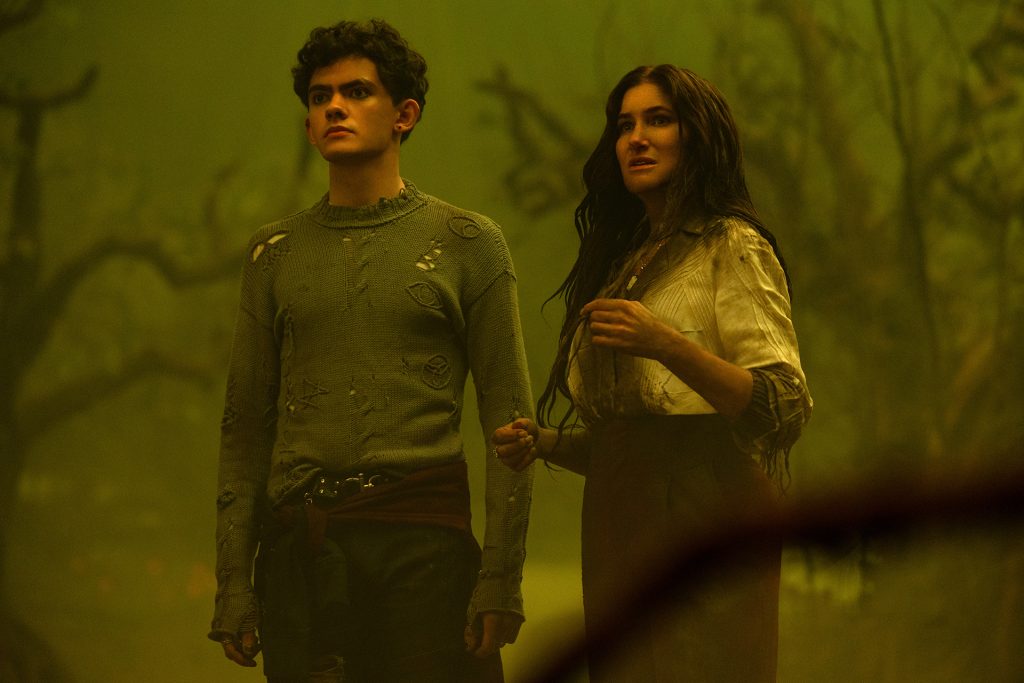
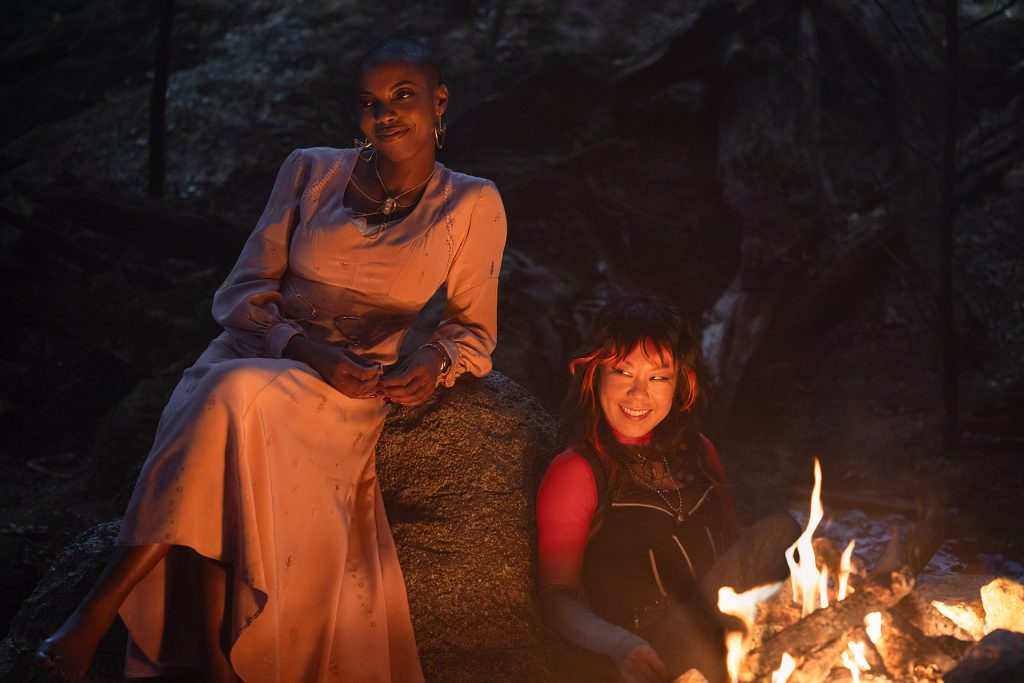
What survives beyond the mystery's answer
The Road's origin has been explained. That explanation does not unmake deaths or resolve the private grief through which Agatha has lived.
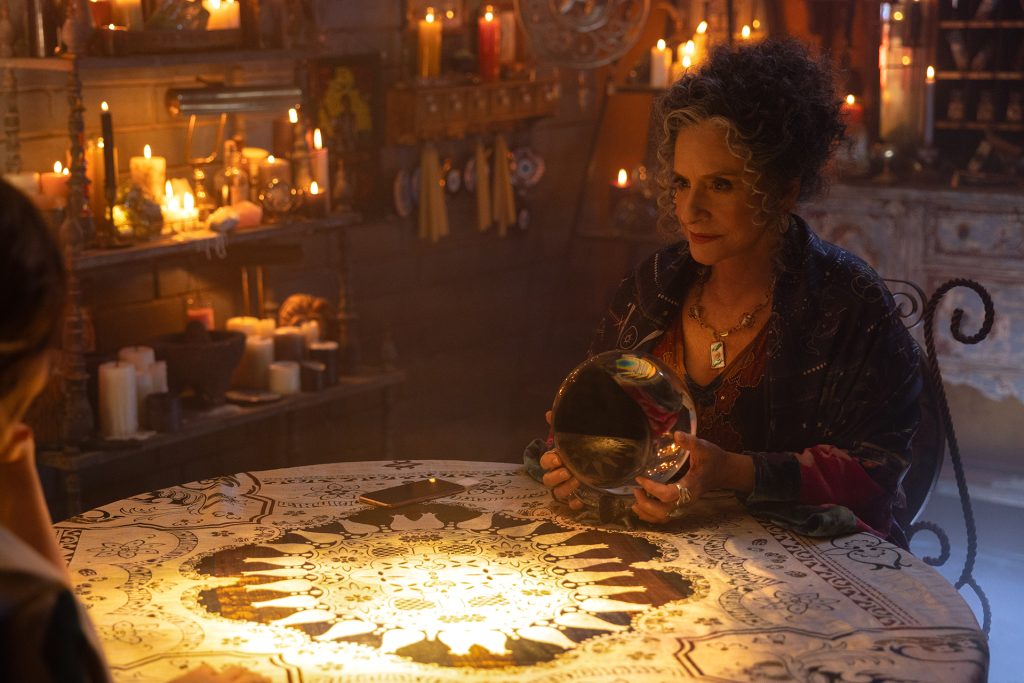

Four additional externally served original Disney images, preserved two pre-existing images earlier in this article: six HTML image placements in three paired blocks. Reused original stills across different articles where relevant; no duplicate image URLs inside this one article. Public-page image rendering and full rights/terms for third-party embedding are not certified.