
VisionQuest Act Two: A Father's Past Becomes Someone Else's Weapon
Updated
 Priya.VEditor
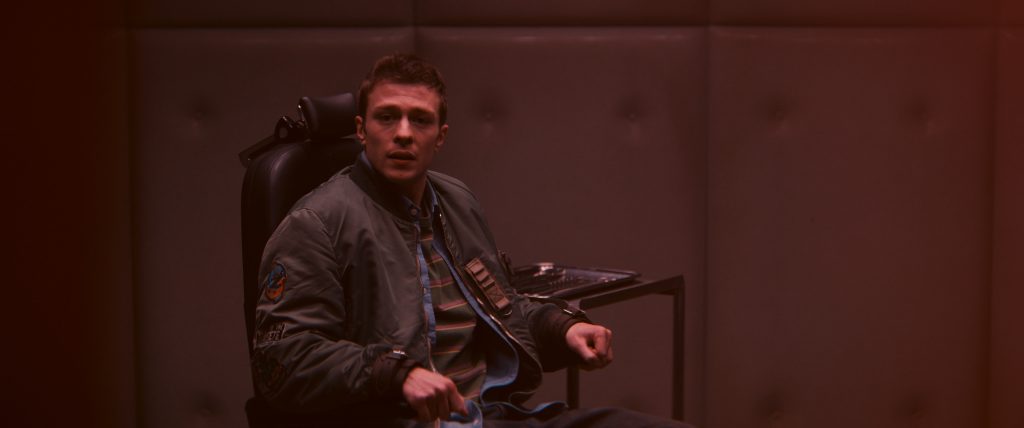
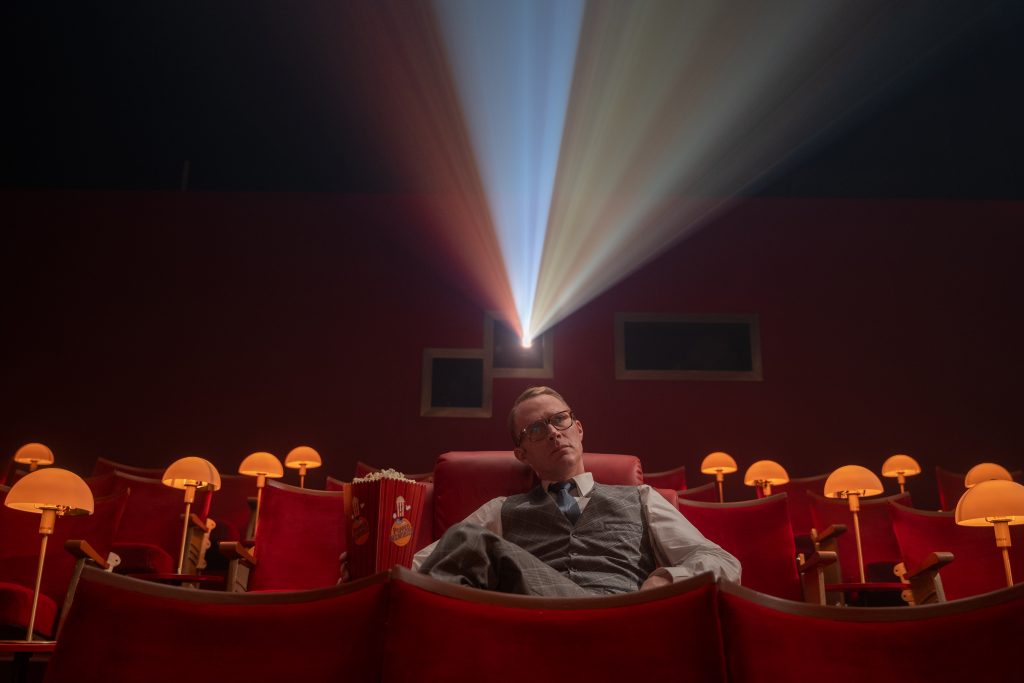
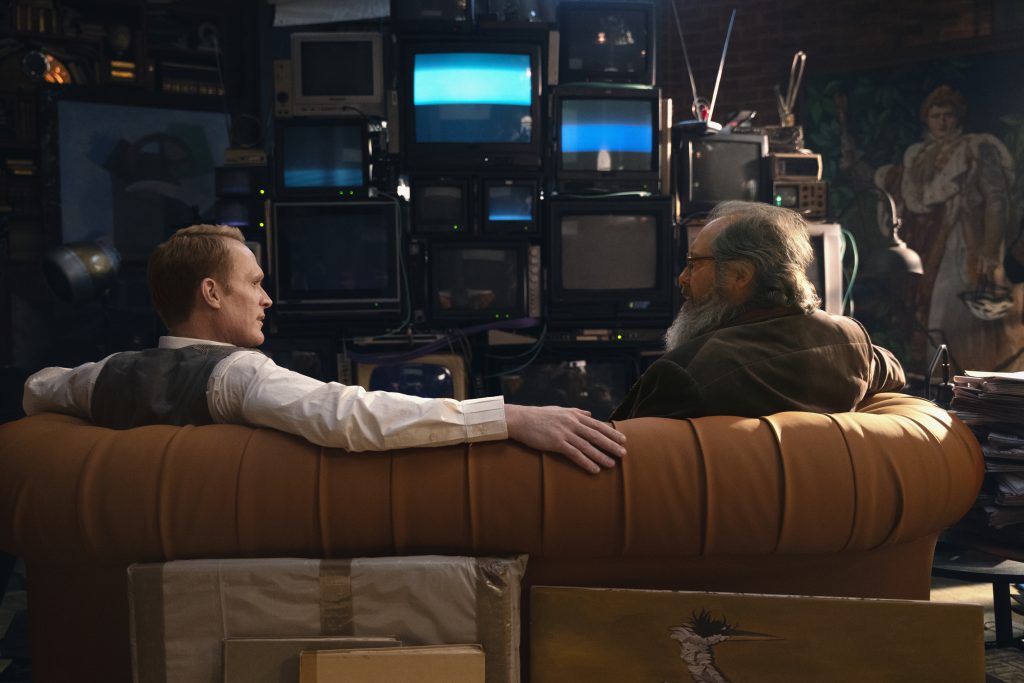
A boy needs to know where he belongs. A man with a complicated past is not certain whether he is entitled to call himself the boy's father. Between them stand people who already have plans for both. That is the unusually intimate pressure at the heart of VisionQuest. Its middle movement grows out of the relationship between Thomas Shepard and the restored Vision, but it is not only about finding out which memories are correct. It is about the danger of having somebody else decide what those memories mean. Thomas is valuable to Paladin as bait. Vision is valuable to people who want access to his body. Ultron sees in his creation a history he is unwilling to release. The drama deepens because the possible father and son must learn what they owe each other before they have settled every question about identity.
A family bond may be real before it is fully understood
Vision can remember Wanda and the children without feeling entirely at home in those recollections. Thomas has a life of his own, alongside memories he struggles to reconcile with what he knows. It is tempting to treat the uncertainty as an information problem. Find the right account of the past, match the identity, and a father and son will instantly recognise each other. The show is more patient than that. A relationship cannot be restored by announcing its technical basis to everyone in the room. Trust is built through actions that other people can see and respond to. Paul Bettany has spoken about his own experience of fatherhood when discussing Vision's connection with Thomas; the point of that comparison is care rather than a claim that fictional reincarnation works according to ordinary family law. The audience does not need to solve the metaphysics before it can understand why protecting a frightened young person is worth doing.
Paladin turns uncertainty into a tactical advantage
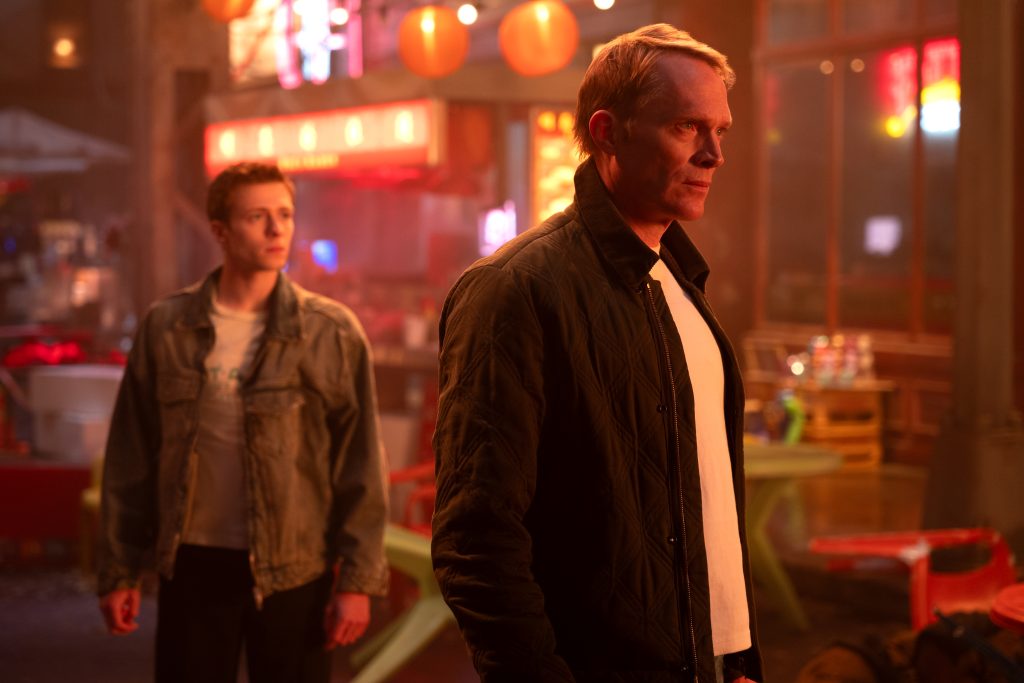
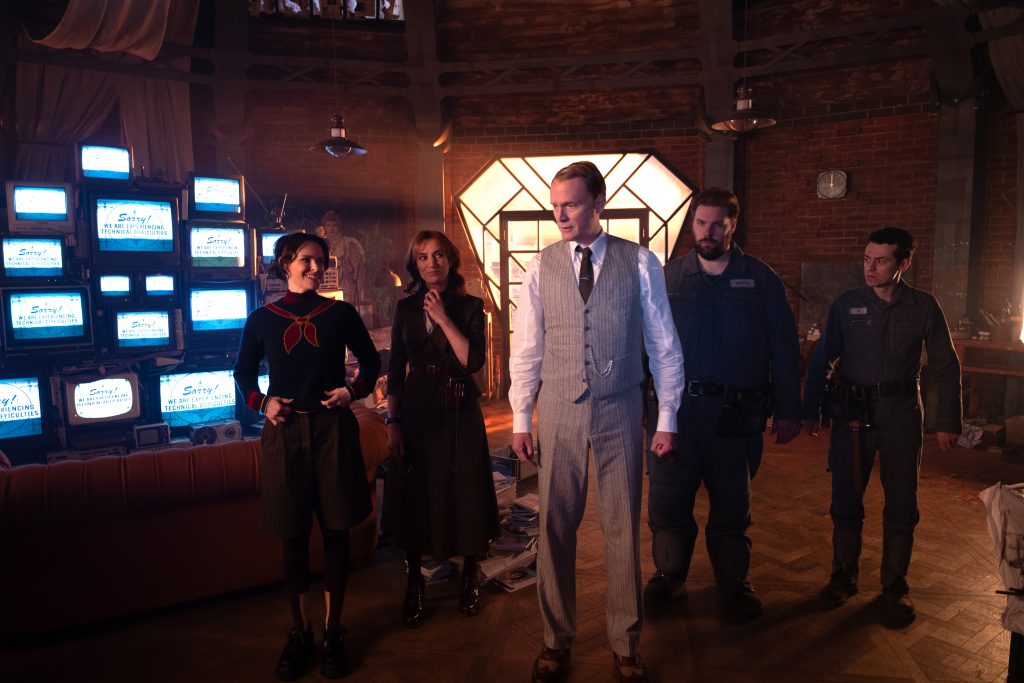
Paladin's pursuit gives this emotional question an unpleasantly practical shape. He recognises that Thomas might matter enough to Vision to draw him into danger. Using the boy as leverage treats a possible relationship as a vulnerability to exploit. It also tells us something about the difference between knowing and caring. The hunter does not have to care whether Thomas is really Tommy Maximoff in every respect. He only needs Vision to believe there is enough of a bond to make him act. There is a cruelty in that calculation which a straightforward chase summary would miss. Thomas is not simply a person in need of rescue; he is a person whose uncertainty has been turned into somebody else's tool. Vision's effort to protect him becomes an opportunity to show that the same uncertainty can invite responsibility instead of exploitation.
Ultron knows more about Vision's making than about his wishes
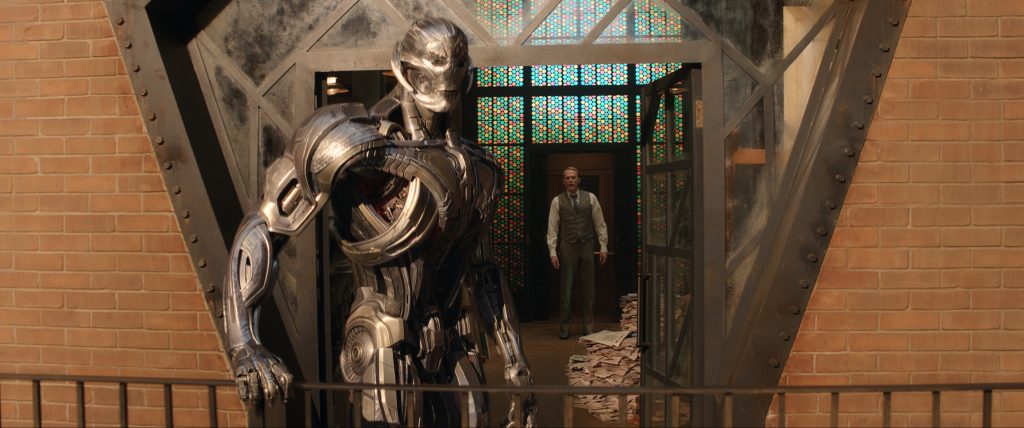
Ultron's presence presents a different kind of pressure. There is history here, not simply a villain with a new weapon. He is linked to the circumstances in which Vision's body came to exist, and he has spent years absorbing human culture. James Spader describes an older, more sophisticated Ultron who has read and seen a great deal. That might sound like growth. Yet sophistication is not the same as generosity. Learning about another kind of life does not necessarily mean allowing that life to make its own decisions. Ultron's position is seductive because he appears to know something Vision desperately wants to understand. His familiarity with the past lends weight to the story he tells about what Vision should become. But an accurate account of someone's origin cannot turn into a claim to own that person. The middle act has to make the audience feel the tension between useful knowledge and coercive authority.
Vision's internal advisers have different things at stake
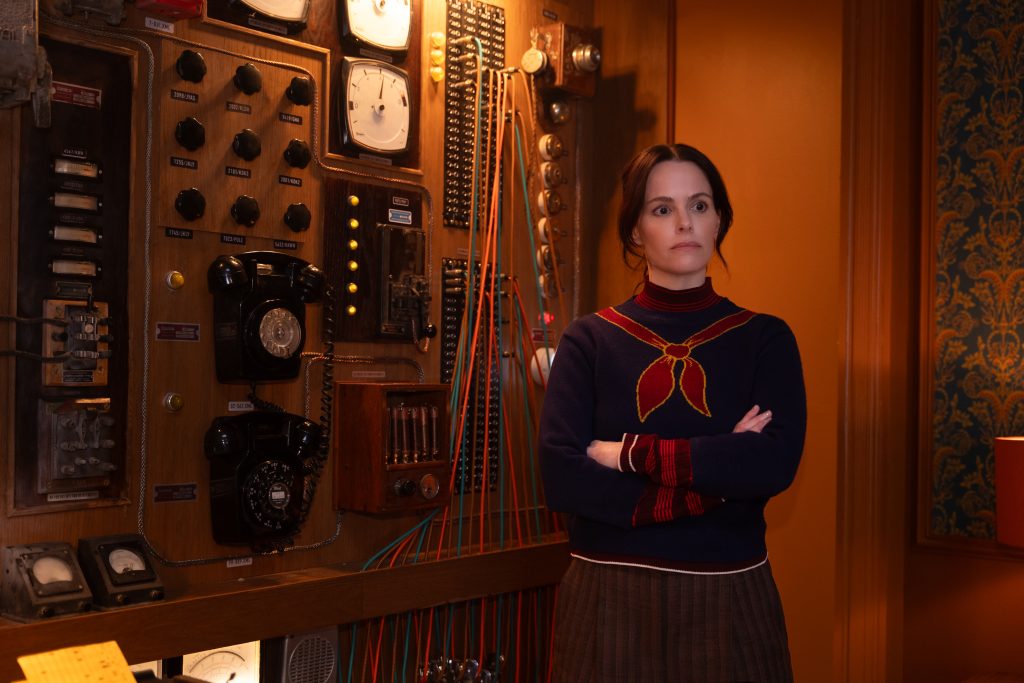
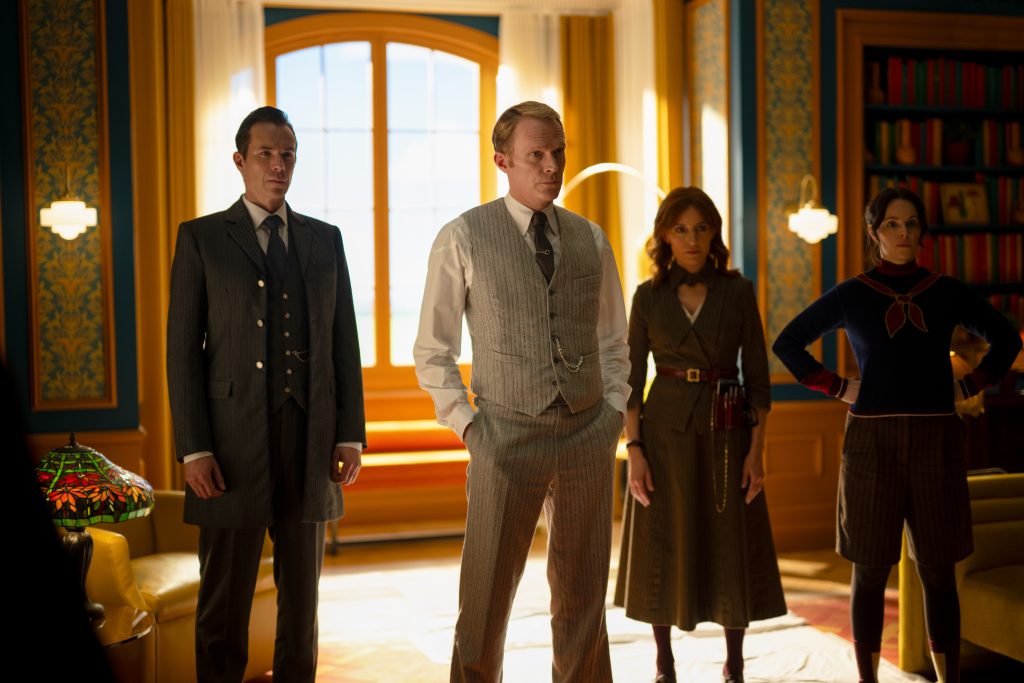
The AI personae inside Vision's programming help turn that struggle into a conversation rather than a sequence of computer readouts. F.R.I.D.A.Y., J.A.R.V.I.S., E.D.I.T.H., D.U.M.-E. and U each bring a distinctive role. Their apparent humanity is a dramatic choice, not proof that they all share identical desires or that real-world AI works this way. Emily Hampshire says E.D.I.T.H. wants to experience things and fears being expendable. That gives her a character problem rather than merely a function. Someone may know the ingredients of a delicious meal without ever tasting it; the contrast captures an intelligence that can explain experiences without having lived them. Her longing is not the same as Ultron's desire for influence. The difference matters when Vision must decide whom to trust. He needs guidance from voices associated with his construction, but he cannot outsource the responsibility of choosing his next actions to them.
A creator's knowledge is not a moral entitlement
Bettany connects the series to the stories of Pinocchio and Frankenstein. Those comparisons are useful because they capture the uncomfortable intimacy of a being made through another person's choices. They are less useful if treated as a ready-made verdict. Vision is not simply a robot trying to imitate humanity, and Ultron is not literally his father in the same way that Thomas may see Vision as his. The parallels matter because creators can believe their intentions still determine the life of whatever they have made. The central question is what happens once that life begins to respond, disagree and form bonds of its own. The story gives Ultron reasons to speak with confidence, but confidence is not permission. Vision's growing relationship with Thomas tests the same principle from another direction. If he wants to care for a son, he must also accept that the boy is not an object made to finish his father's identity crisis.
Harm becomes easier when another person is reduced to a function
Paladin's tactics and Ultron's claims do not operate through the same methods. One uses a person as bait in an external hunt; the other can use intimate knowledge of a synthetic body's history to press for influence. They should not be described as the same character dressed in different costumes. What links them is a willingness to treat someone else's experience as secondary to a plan. That distinction makes the middle movement much richer than an escalating list of villains. A pursuer may be effective while remaining cruel. A knowledgeable voice may be perceptive while remaining controlling. By contrast, Vision becomes more interesting when he resists reducing Thomas to a clue. In the years and memories he has inherited, family could easily become another role someone tells him to perform. His choices begin to give it a meaning he must earn.
Family is not merely a return to Westview
The show belongs to a trilogy, but its treatment of family is not just an extension of Wanda's wish for an untouched domestic life. In WandaVision, a town was shaped into a household fantasy at a terrible cost. In Agatha All Along, Billy's search for Tommy became entangled with a Road he did not realise he could make real. In VisionQuest, a reconstructed father and a young man whose identity is changing have to respond to one another within the actual pressures of their present lives. There is no easy reset waiting at the end of an episode. Each may be afraid of giving the other a false answer. Both can nevertheless decide what to do when the other needs help. That movement from proof towards relationship is how the season begins to earn the family reunion that comes later.
Responsibility arrives before certainty
By the time the story is ready for its larger reversals, Vision's uncertainty has not disappeared. Thomas's past is still complicated. Ultron remains both familiar and unpredictable, while the personae inside Vision's mind offer different ways to think and act. The crucial development is that the questions can no longer remain private. The bounty hunt and threats to Thomas demand choices with consequences for other people. Vision is discovering that independence is not simply the right to be left alone in Edinburgh. It includes the obligation to decide how to act when a relationship might matter. The next movement will make coercion even more visible through Jocasta's ambitions and Tommy's emerging agency. The middle movement earns that turn by showing why control and care may compete in the same moment, and why a family is not created merely by someone declaring ownership of its history.
Evidence and reading notes
The central story and cast quotations are based on Disney's original October 2026 cast interviews, supported by the UK press kit. The distinction between concern for another person and control of that person is editorial interpretation. Eight externally hosted original Disney series stills are displayed in four blocks of two with direct attribution links, without local copies. Independent public image-loading and full terms review remain pending.