
WandaVision's Third Act: Agatha, Pietro and Misleading Answers
Updated
 Siobhan.GEditor
Wanda opens the door and there is her brother. Or someone who might be her brother, if she wants it badly enough. Elizabeth Olsen gives us a tiny pause before Wanda lets herself hope, and I find it heartbreaking. The face is wrong. The voice is familiar in a different way. Evan Peters has arrived wearing a whole audience's expectations, and for a moment it seems perfectly possible that Wanda will decide not to ask too many questions. I loved how the series played with that longing. I didn't love the eventual Ralph Bohner punchline quite as much. Behind the clever casting is a man whose own life has been borrowed for a trick, and I wish the show cared about him a little longer.
That familiar stranger at the door
For anyone who recognised Peters from the earlier X-Men films, the entrance is wonderfully disorientating. You can understand why people began talking about other universes. But I think the more moving part of the scene is Olsen watching this stranger and searching for her brother in him. She has already been living with an impossible return in the person of Vision. The doorbell seems to offer her another.
The later discovery is quite different from what many viewers imagined. Agatha has used Ralph Bohner to play the apparent Pietro. Recognising an actor did not tell us who the person inside Westview really was. That is a clever use of audience memory, and a slightly unkind one. I enjoyed the daring of the casting but felt let down by how little space the reveal gives Ralph. A joke can be a delightful way to let the air out of a grand theory. It can also leave a character looking rather disposable.
Agnes has been listening all along
Kathryn Hahn's work makes another revelation especially satisfying. Agnes was always the neighbour who seemed to arrive just when a scene needed rescuing. Her cheerful intrusions could be hilarious. Hahn timed them so well that we learnt to welcome her, even when her friendliness felt almost too practiced. Then Agnes reveals herself as Agatha Harkness, and those visits seem different. She was not merely keeping Wanda company. She was watching her.
I was delighted by the song that gathers the earlier little interventions together. It's a splendidly cheeky way to change our view of a character, and Hahn makes the moment feel like a curtain lifting on a performance she has enjoyed giving. Yet the tune is so catchy that it almost encourages us to put everything wrong with Westview at Agatha's door. That would be a much tidier story. It would also leave out the choices Wanda has made inside her own spell. Agatha has interfered and exploited her; she has not been the sole author of the town's strange life.


Vision refuses to play along
While Agnes is enjoying her role, Vision is becoming less comfortable in his. I think Bettany does something very lovely with that change. He lets Vision remain gentle even as his questions grow harder. Vision does not want to frighten people into telling him what he wishes to hear. He wants to know what they are actually experiencing.
When he reaches the edge of Westview and tries to leave, the sight of him being pulled apart is awful. He has found people who are suffering, and he is ready to risk his own existence to understand what is happening to them. The scene could have settled for a dramatic special effect. Bettany gives it a much smaller centre: the stubborn concern of a person who cannot bear to ignore another person's distress. I prefer that quiet determination to some of the louder action outside the town.
Vision's discovery matters to his marriage, too. He can love Wanda and still insist that the rules of their home are wrong. That is not an easy position for either of them. The performances make it feel like a painful disagreement between two people, rather than a puzzle waiting for the right answer.
Monica steps into danger again
Monica Rambeau has reasons to understand Wanda's longing. She is carrying her own grief, and the sudden changes to her life after the Blip are still with her. Yet she will not simply watch Westview from a safe distance. Teyonah Parris gives Monica a warmth that never feels passive. When she chooses to cross the Hex again, the decision has weight because she could have stayed outside with the others.
I think Monica is more convincing in those moments of action than when the dialogue asks her to explain what Wanda's suffering ought to mean to everyone else. Compassion is not a final verdict on somebody else's conduct. Parris shows it better when Monica risks something to help, when she protects the boys, and when she makes an effort to reach the person in front of her. The scene is stronger than the speech.
Who is allowed to be themselves?
Ralph's role becomes troubling once you think about the resident rather than the famous face. His home, appearance and behaviour have all been folded into Agatha's plan. Wanda wants a brother. We want to recognise a character. Somewhere beneath those wants is somebody who did not volunteer to become the answer to either.
It is a good companion to Vision's story. One man is trying to get beyond a role imposed on him; another has been made to wear someone else's identity. Monica, too, is refusing the comfortable part of an investigator who only watches. Agatha is the performer who has made herself welcome in every room. And Wanda is beginning to face questions that cannot be answered just by discovering which neighbour lied. These reversals touch different lives. They are much richer than a single explanation of who cast which spell.


What I think the reversal gets right
Hahn's delighted performance and Olsen's brief, hopeful response to the unfamiliar Pietro are the scenes I would hold on to. Both make a twist feel personal before it becomes an explanation. Bettany quietly holds the emotional ground while the other characters are changing masks. I still think the Ralph joke is a thin reward for such an affecting entrance, and that the story forgets the ordinary resident a little too easily. But there is something tender and rather sad about what this act reveals: sometimes a familiar face makes us feel safe enough to stop looking at the person behind it. WandaVision is most interesting when it asks us to look again.
Sources: Disney UK original featurette; Disney+ production kit; Official studio image collection. The acting and payoff judgements are criticism of the released episodes; actor recognition is not treated as proof of a multiverse plot.
Recognition versus evidence
An actor familiar from another superhero film creates an expectation, but casting recognition is not the same thing as confirming a fictional identity. Likewise, discovering that Agnes is Agatha changes the meaning of earlier scenes, but does not eliminate Wanda's responsibility for Westview. A productive rewatch identifies which statements were shown directly, which were working theories, and which were retroactively reinterpreted by the completed series.
Official WandaVision imagery: Pietro and Agnes
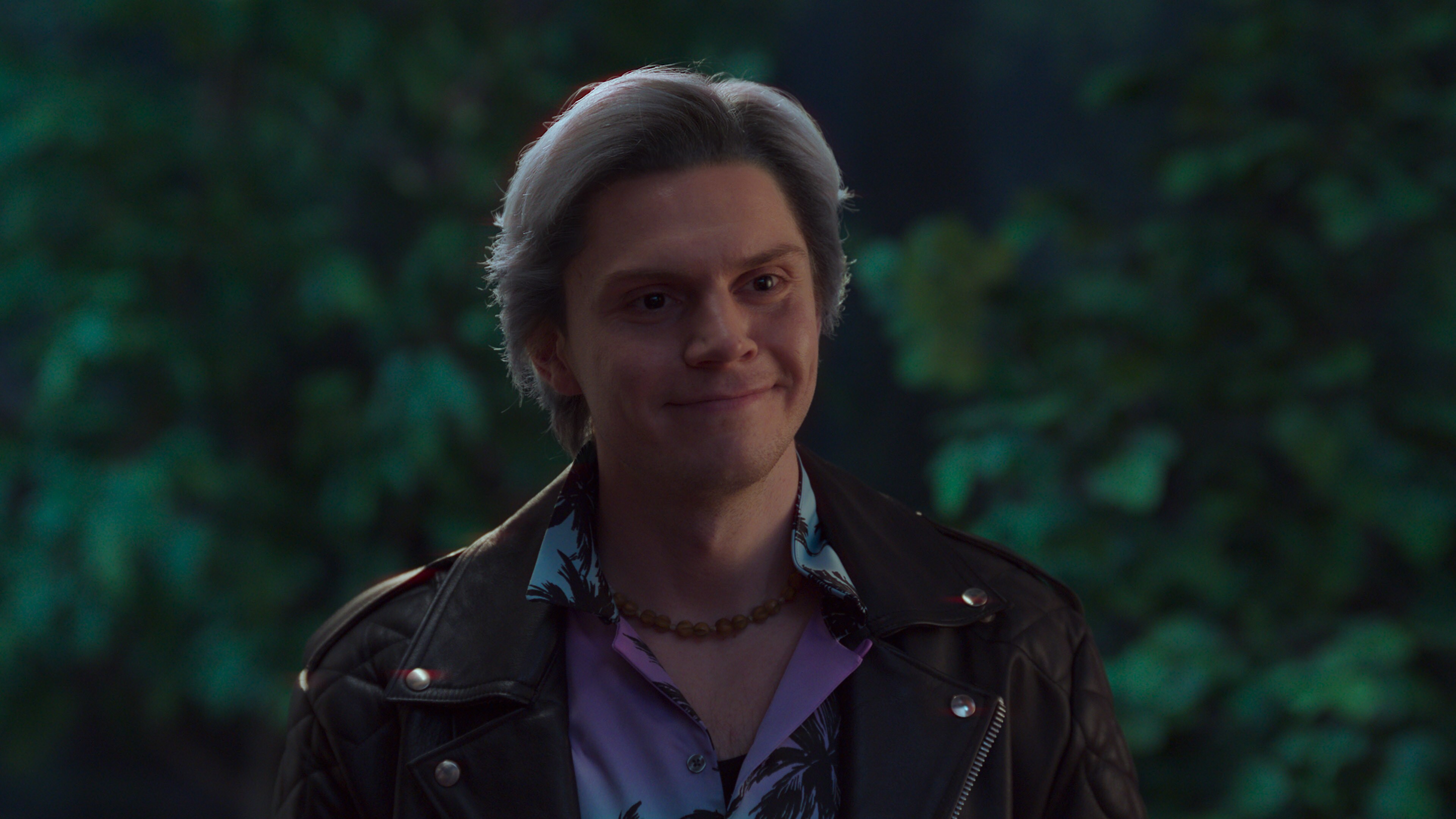
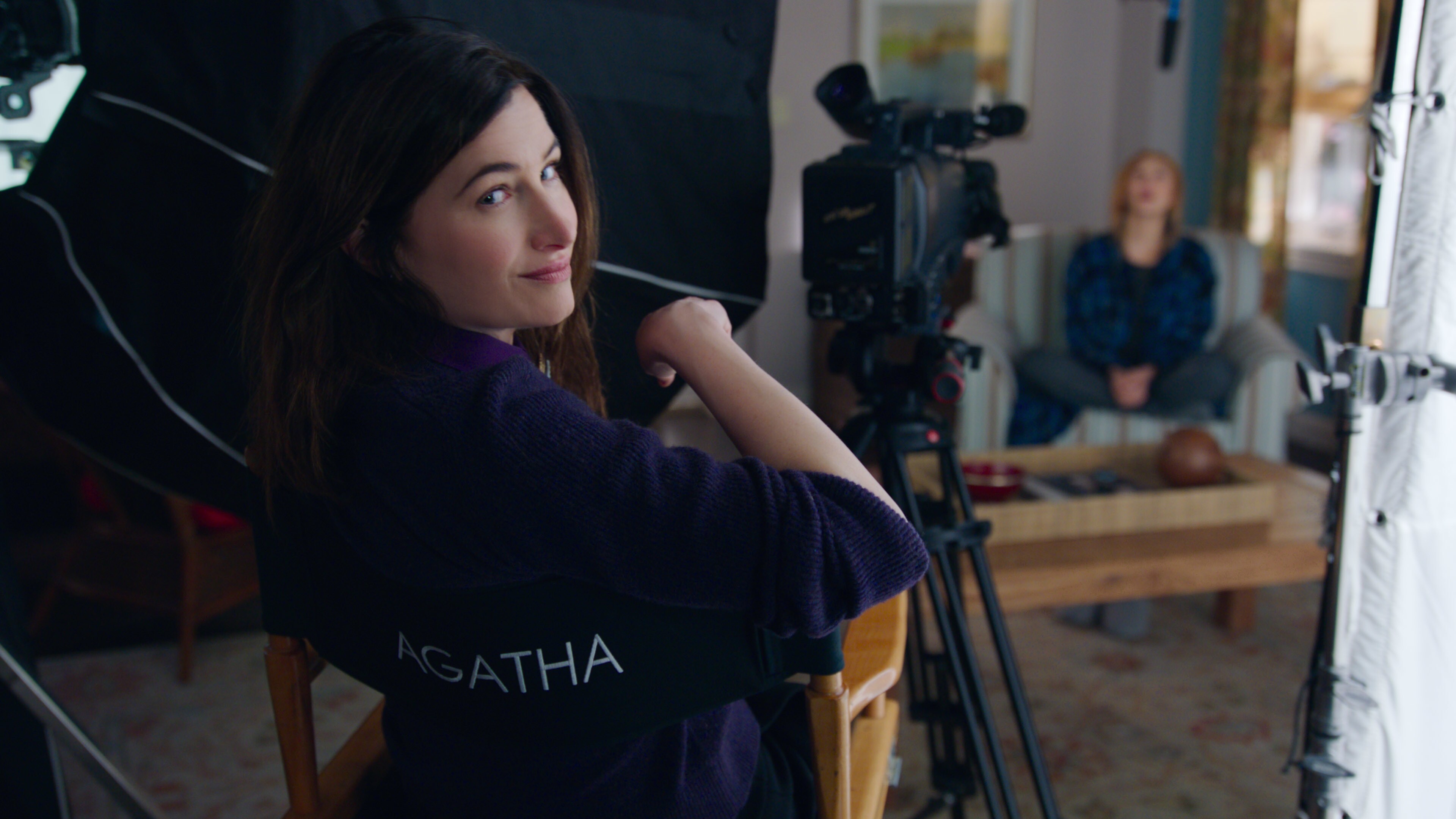
Four further studio images: the people caught behind the roles
These two pairs extend the third-act analysis beyond a trick reveal. The first contrasts the apparently returned brother with Wanda's desperate wish for family. The second shows Vision's decision to question the boundary alongside Monica's independent encounter with it.
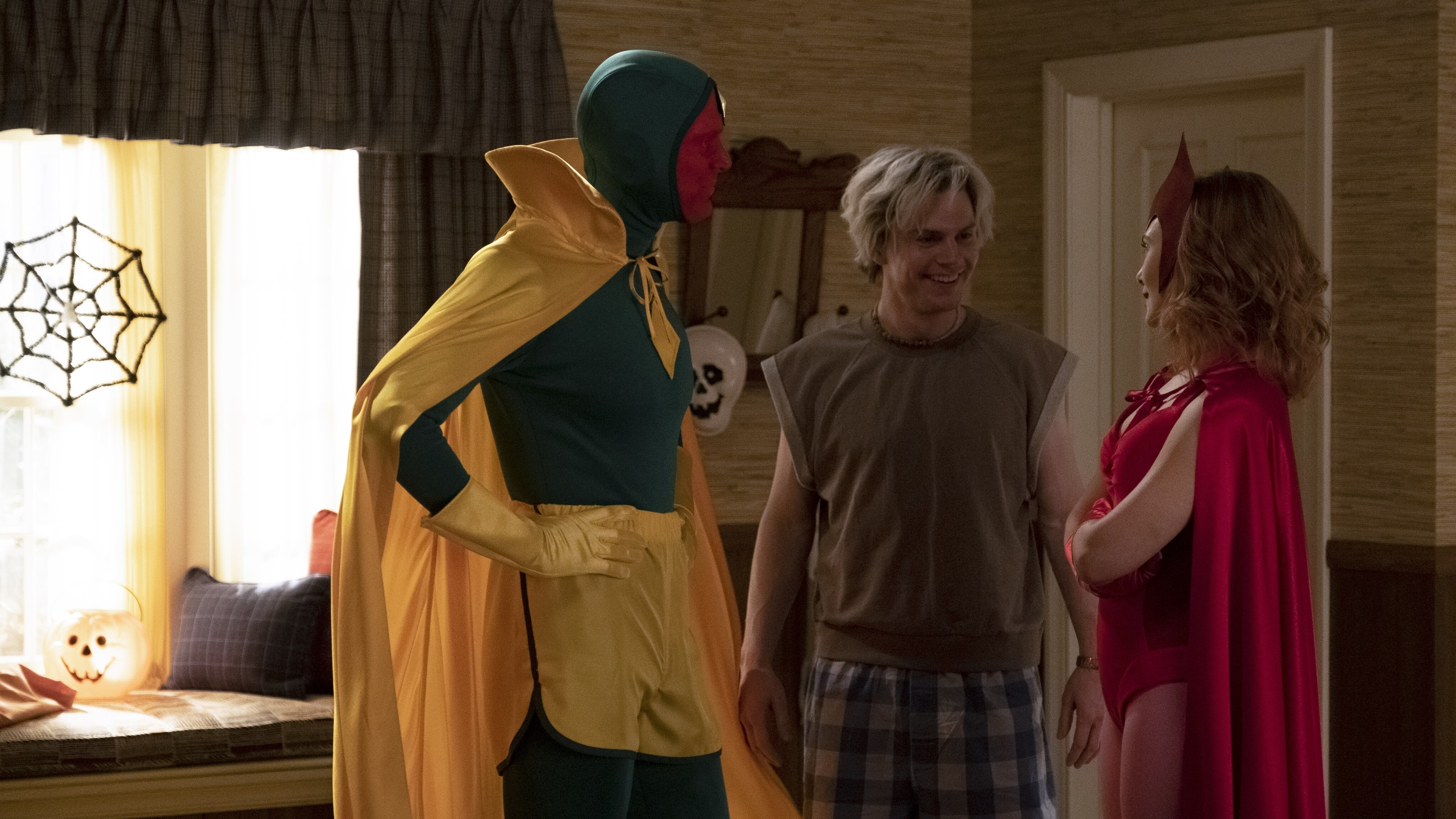
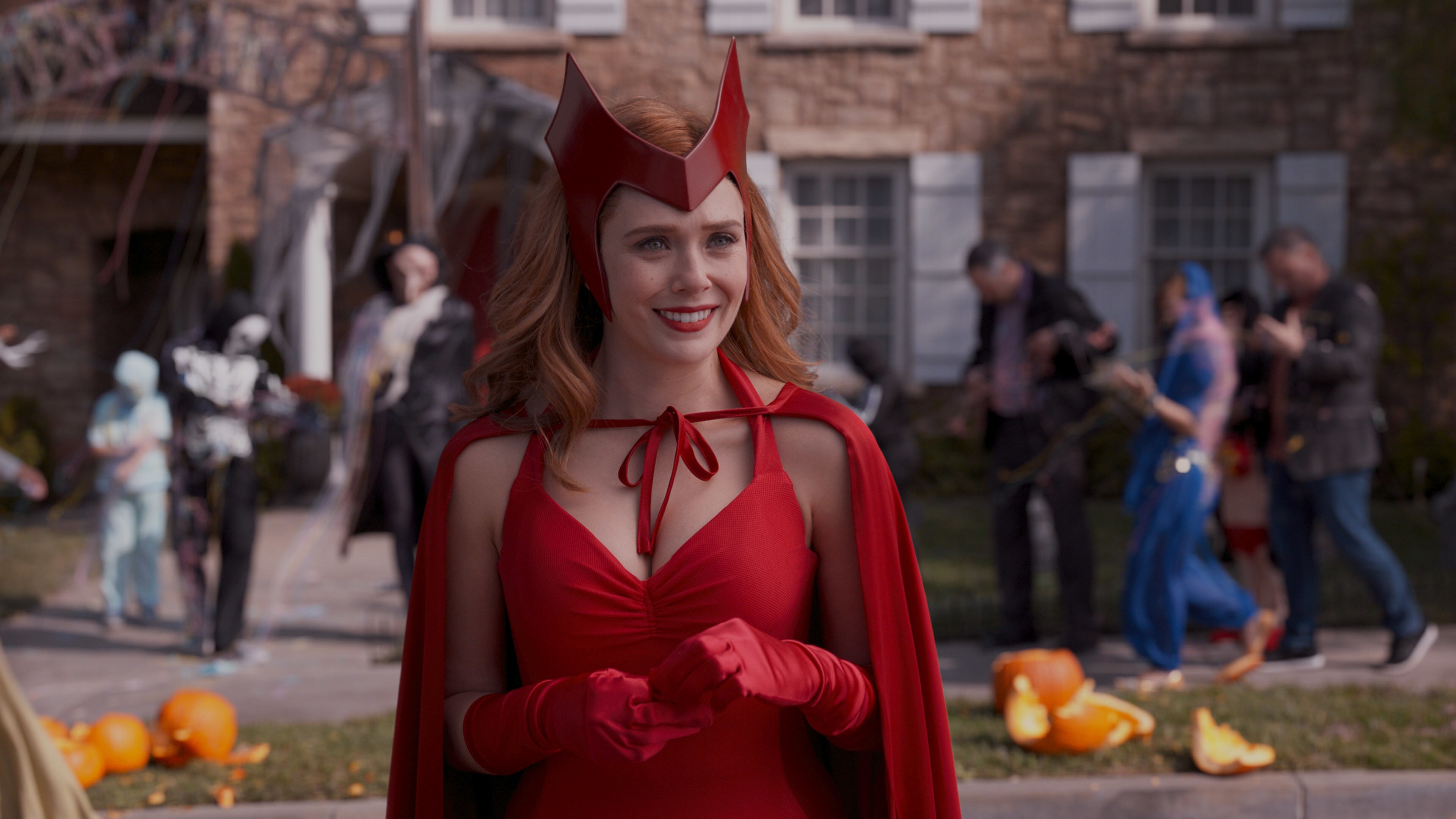
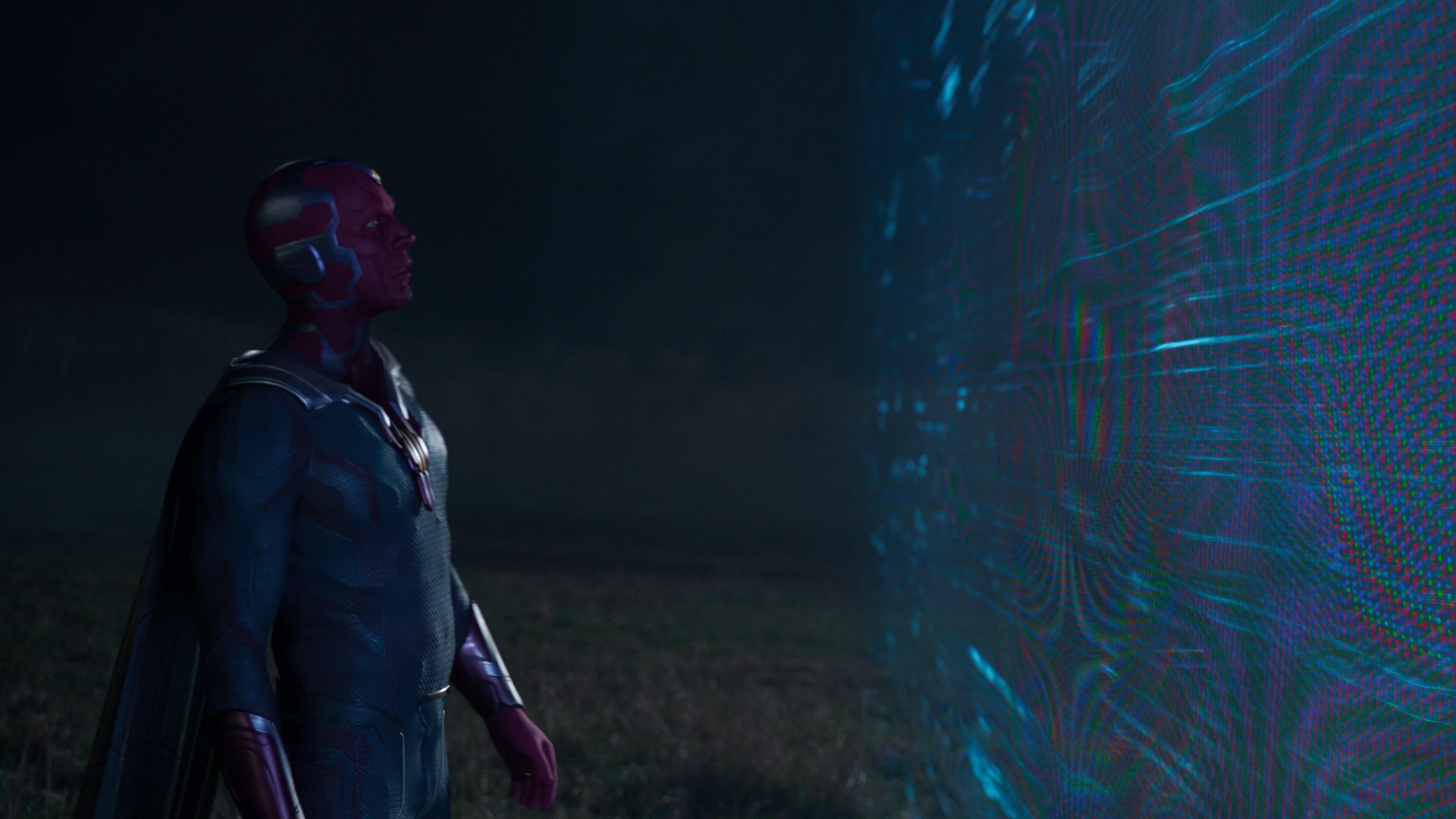
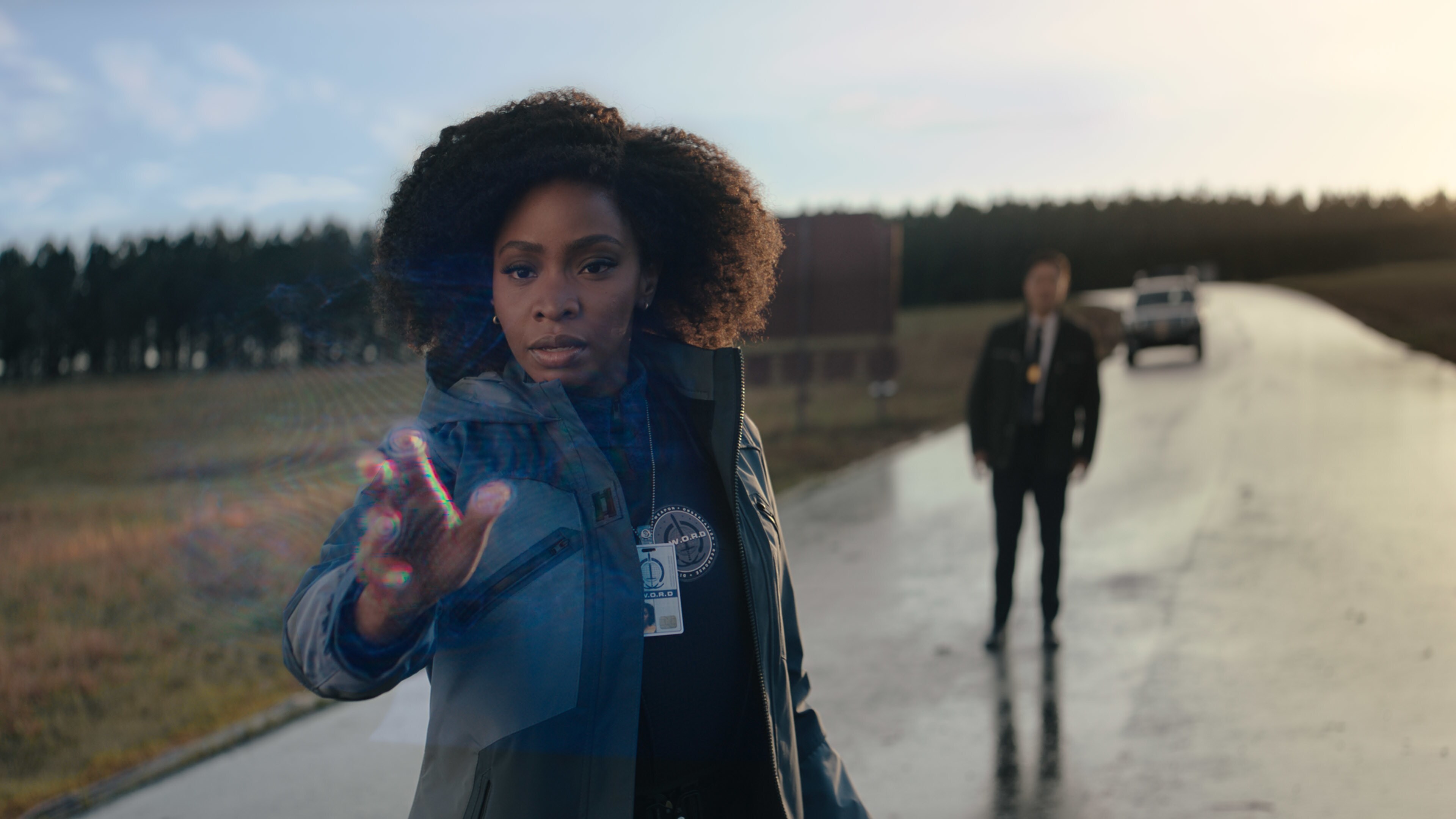
Four original Disney/Marvel studio images added as external source URL embeds with captions and distinct ALT text. The prior Pietro and Agnes stills and the two historical photographs earlier in this article remain; eight embedded image elements in total across the article. Official provenance established; independent third-party embedding permission, actual public image load and 320px mobile audit not certified.