
How the Avengers' MCU Story Leads to Doomsday
Updated
 Alistair.PEditor
A sound footing for any new film in a long series is easy to state. Know what the earlier films established, know what the studio has actually confirmed about the next one, and keep the two apart. Avengers: Doomsday opens in December 2026 with plenty of the first and rather little of the second, so the useful question is not what will happen. It is how the story arrived at a point where this film could begin at all.
The position taken here is stated early so that you can test it. The road from Civil War to Doomsday is not a chain of plot points. It is one debt that was never settled: the Avengers began an argument in 2016 about who answers for their power, and every later film pays only part of it. That reading is an interpretation of released films and of what Disney has said publicly. It is not a prediction of the new film's plot, and nothing below depends on one.
Where the debt begins: Civil War
Disney's own synopsis of Captain America: Civil War is plain about the mechanism. An incident involving the Avengers results in collateral damage, political pressure mounts to hold the team accountable, and the resulting battle drives a wedge between Captain America and Iron Man. Notice what that description does not say. Nobody is a villain at the start. A group of powerful people is asked, reasonably, who checks them, and they give two honest answers.
Tony Stark's answer is institutional: accept oversight, because good intentions are not a safeguard. Steve Rogers' answer is personal: trust the people beside you, because institutions change hands and motives change with them. Both positions are defensible, which is exactly why the split lasts. The film's closing conflict is driven by loyalty to Bucky Barnes, and here lies this reader's one reservation. The argument about accountability is left unresolved and the film settles the matter by personal feeling instead. A team can survive losing an argument. It is much harder to survive an argument that has been quietly dropped.

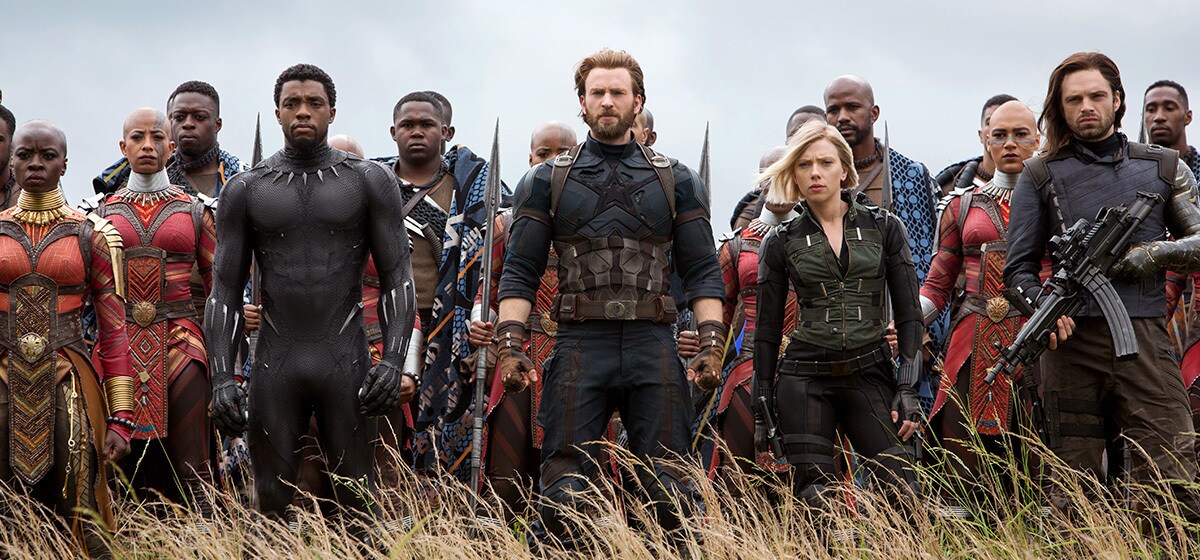
Infinity War: a divided organisation meets its worst day
The clearest statement of the link comes from the directors themselves. Speaking to Disney on set in 2018, Anthony Russo said the film was very much about how to move forward from Civil War in a big way, and what happens to that division between the Avengers when the greatest threat they will ever face comes to them in that kind of divided condition. That is a creator's own account of the film's starting point, given in public by one of the people who made it. It is better evidence than any fan reconstruction.
It is also easy to over-read, and a careful reader should not do so. The Russos describe a condition, not a cause. Infinity War opened on 27 April 2018, and Disney describes it as the ultimate showdown with Thanos on the verge of raining destruction upon the universe. Thanos is strong, well prepared and ahead of the heroes in almost every scene, and it would be false to claim that the Avengers' quarrel alone let him win. What the division did do is scatter the team. In the film they meet his forces in separate places, with separate allies, and without the single command structure that the earlier films hinted at. A fractured group is not guaranteed to lose. It is guaranteed to start the fight at a disadvantage.

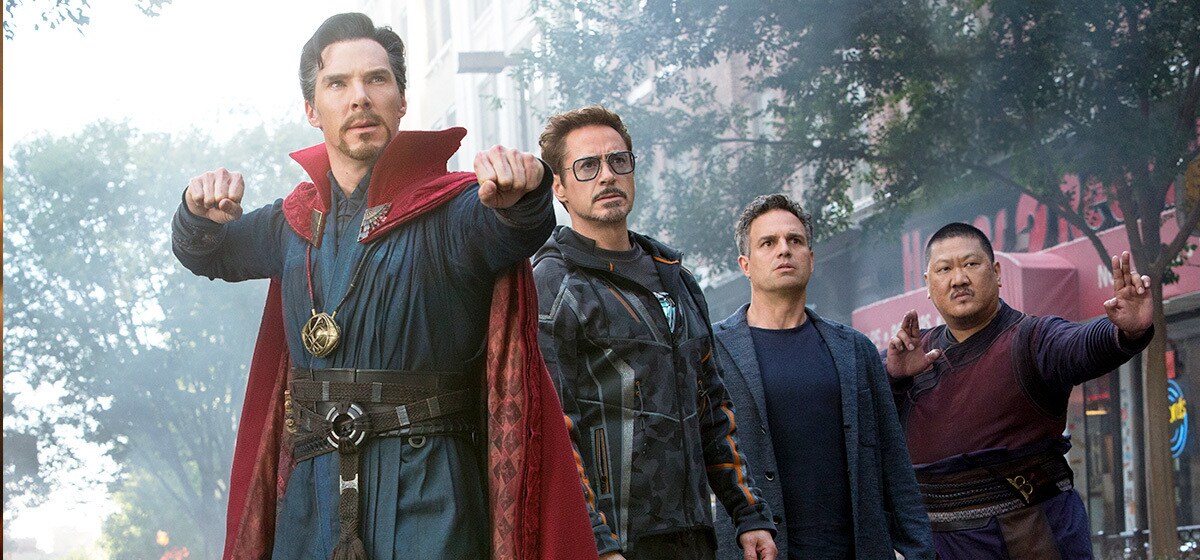
Endgame: the cost of the debt, and a handover
Disney's synopsis of Avengers: Endgame, released on 26 April 2019, says that the course of events set in motion by Thanos wiped out half the universe and fractured the Avengers' ranks, and that this compels the remaining Avengers to take one final stand. The phrase worth keeping is "fractured the Avengers' ranks". The studio itself still describes the team as broken at the point where its biggest film begins. The division is not an old story that the series has politely forgotten.
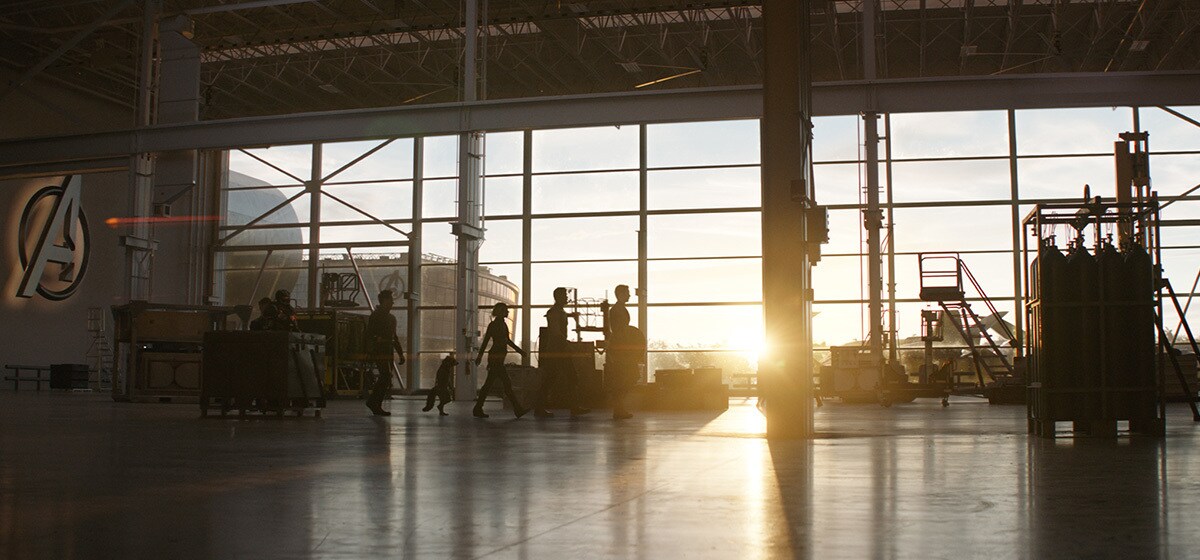
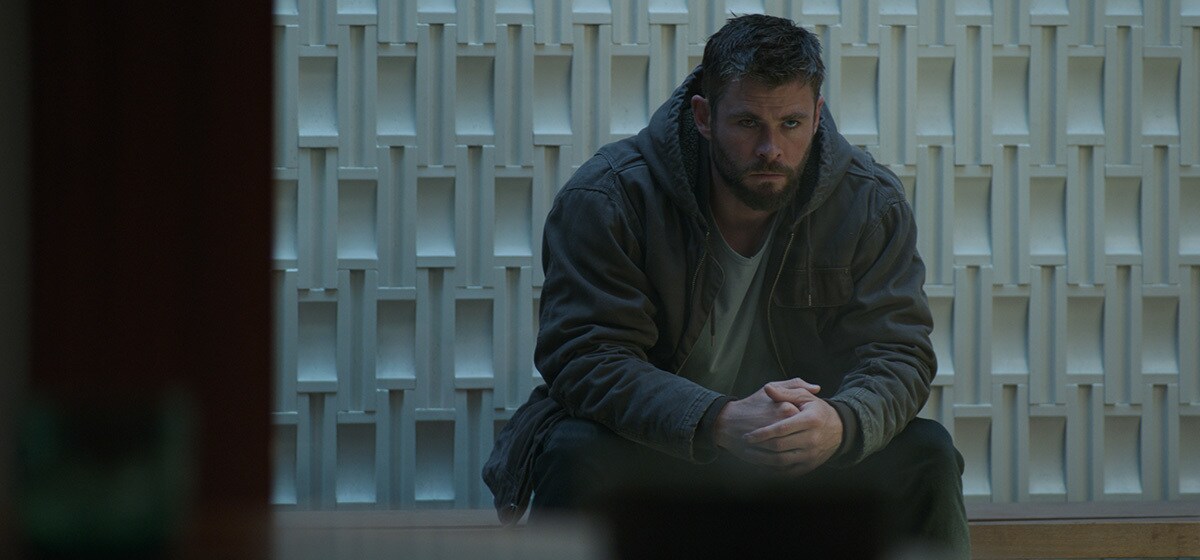
What Endgame offers is not victory over the argument but a way of living with its consequences. The survivors are smaller in number and plainly tired. The scenes at the compound are quiet, and the Thor we meet is a man sitting still, not a god leading a charge. Those choices matter. A film about repairing a team that has lost half its members has to start from fatigue, and this one does. My own verdict is that it earns its emotional weight chiefly through that patience, and spends it a little too quickly in the final stretch, where the number of returning characters leaves less room for any one of them.
The aftermath carries a quieter obligation as well. Disney's 2025 feature on Captain America: Brave New World records that, in Endgame, Steve chose Sam Wilson to succeed him, and adds that carrying the shield, and the responsibility that comes with it, proved to be more complex than either man envisioned. That is a statement about the burden of inheritance. Somebody must now answer for the power that the earlier generation argued over, and it is a different person from the two who began the argument.
What Disney has actually said about Doomsday
This is the section where the sound footing matters most, because the temptation to fill gaps is strongest here. Disney's news report of 29 September 2026 covers the Avengers Endgame: Encore re-release and an exclusive extended look at Avengers: Doomsday, which Disney's piece places on 18 December and describes as a film in which heroes from three distinct universes face a distinct existential threat. Three kinds of material can be separated, and they carry different weight.
Announced and stated. The Russos said they teased what to expect when the Avengers, the Fantastic Four, the Talokan, the Thunderbolts, the Wakandans and the X-Men interact onscreen together for the first time. On the new film's relation to the old one, Anthony Russo said that Endgame had been conceived as an ending of stories, not a beginning of new stories, but that when they started to conceive the road that became Doomsday, it begged of them that the story be picked up from where they left it in Endgame. Both statements come from the directors in an official Disney report.
Reported from one preview. The footage described in that report included a scene in which Dr. Doom, played by Robert Downey Jr., collects Bruce Banner for reasons unknown, and a scene in the Time Variance Authority in which Mobius, Casey and OB watch the Multiverse collapse through a chain of concurrent incursions. Joe Russo called the second scene one of the more significant events in the MCU. These are descriptions of selected preview footage, passed through a reporter. They are not a plot summary, and the report itself says who or what caused the catastrophe will remain a mystery for now.
Not known. Everything else, including the reason for any alliance, the motive of the antagonist and the final outcome, is unknown. A responsible reader treats an unreleased film's ending the way a prudent person treats a forecast: as a matter of interest rather than a basis for decisions.
One point needs saying firmly, because it is the easiest error to make. Disney names Robert Downey Jr. as the actor playing Dr. Doom. It does not say that Doom is Tony Stark, and this article does not say so either. An actor returning in a new role is a fact about casting. Whether it has any bearing on Tony's story is a separate question that the official material does not answer.
Plotline: the threads that run to Doomsday
The table separates what is established by released films and official statements from what is not. It is a set of source-bounded continuity threads, not a certified list of planted and paid-off Easter eggs, and scene-level timecodes have not been independently checked.
| THREAD_ID | PLANTED_AT | CLUE & PRIMARY EVIDENCE | REVEALED_OR_PAID_OFF_AT | CURRENT_STATE | OFFICIAL_SOURCE_LINK | CONFIDENCE |
|---|---|---|---|---|---|---|
| ACCOUNTABILITY-WEDGE | Civil War, pressure to hold the team accountable | Disney's synopsis: collateral damage, political pressure, a wedge between Captain America and Iron Man | Carried into Infinity War as the divided condition the Russos describe | Established in released films; no resolution scene is claimed here | Disney Movies | High for the premise; scene proof open |
| DIVIDED-TEAM-THREAT | Russo interview, 2018, on the divided condition | Anthony Russo ties the film to what happens to the division when the greatest threat arrives | Infinity War and Endgame, where Disney says Thanos fractured the Avengers' ranks | Creator-stated link; not a claim that division alone caused the Snap | Disney News | High for the statement; causation open |
| STEVE-SAM-SHIELD | Endgame, Steve chooses Sam | Disney's 2025 feature says carrying the shield proved more complex than either man envisioned | The Falcon and the Winter Soldier, then Brave New World | Follows through released film and series; it is a continuity thread, not an Easter egg | Disney feature | Stated by the studio; exact scenes not timed |
| ENDGAME-AS-ENDING | Endgame conceived as an ending | Anthony Russo, 2026: the story must be picked up from where it was left | Doomsday, in cinemas in December 2026 | Filmmaker statement about intent; the finished film is unreleased | Disney report | High for the quote; outcome unknown |
| TVA-COLLAPSE | Encore preview footage, TVA scene | Mobius, Casey and OB watch concurrent incursions collapse the Multiverse | Cause not stated | UNRESOLVED; preview description only | Disney report | Reported; cause unknown |
| DOOM-AND-BANNER | Encore preview footage, Dr. Doom scene | Dr. Doom collects Bruce Banner for reasons unknown | Not stated | UNRESOLVED; reason and consequence unknown | Disney report | Reported; purpose unknown |
Evidence count: 6 source-bounded threads. Four rest on released films or official statements, two are unresolved preview descriptions, none is a certified scene-pair Easter egg and none is a confirmed Doomsday outcome. The table should be revised after the film opens, not before.
Hero Psychology: Tony Stark
Tony Stark is the character most useful for reading this story, because his conflicts are about the same question that the whole sequence keeps asking: does protecting people justify controlling the thing that protects them? In Civil War his stated motive is the one Disney's synopsis gives the whole team, a demand that the Avengers be held accountable. He is the one who takes that demand seriously from the inside. This is not obedience. It reads more as a man who has watched damage he was part of and does not trust his own judgement unsupervised.
That is the strength and the flaw in the same instinct. A protective impulse can make a team safer, because it takes consequences seriously. It can also divide a team, because it turns a colleague's independence into a risk to be managed. Tony does both in the released films: he argues for accountability and he cannot make the argument land with the person whose trust he most needs. This is a reading of what the films show. It is not a clinical label and not a claim about private thoughts that no film displays.
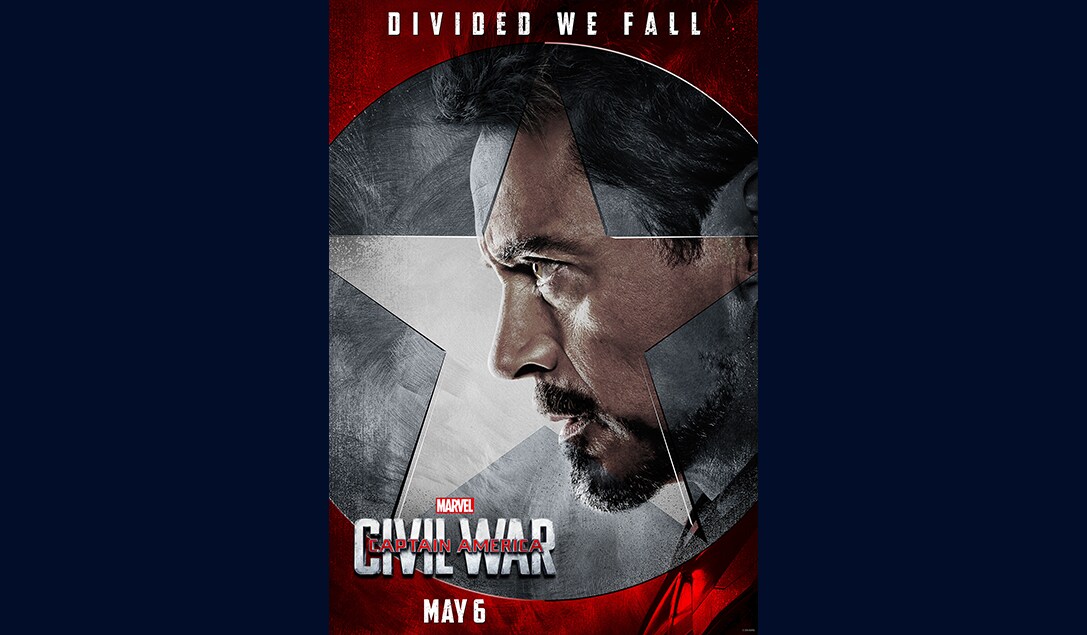
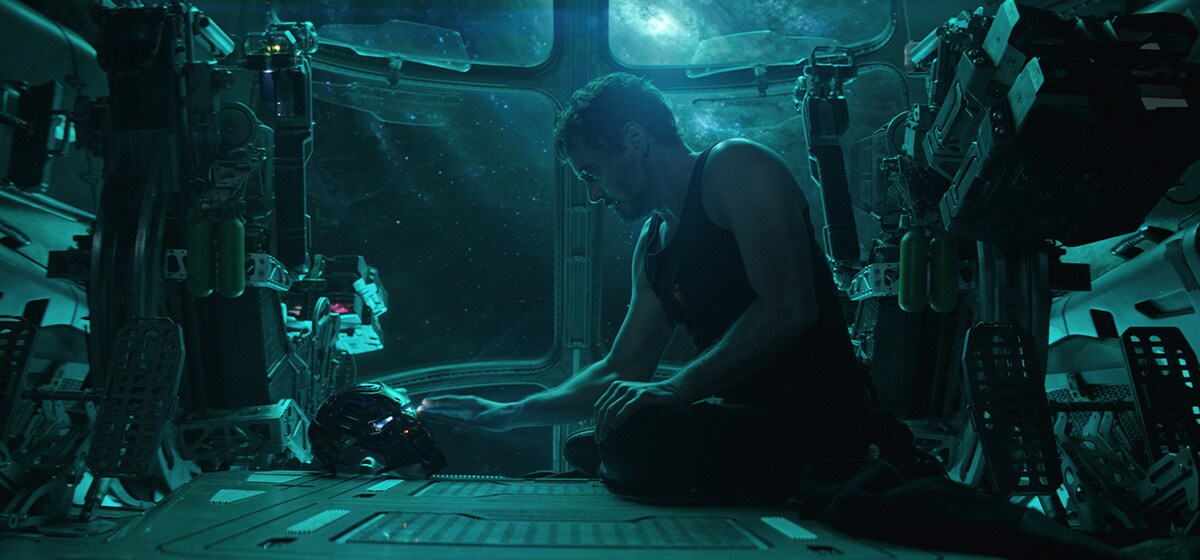
The released films then ask what that instinct costs when it is carried to the end. Tony's arc in the released films concludes with Endgame, a film that Disney describes as the grand conclusion to twenty-two films, and the image of him alone with his helmet is a fair summary of the burden the series puts on him: he is the one who carries the consequences of a protection that did not hold. What he leaves behind is not a solved argument but a changed one. The people who inherit his world, Sam Wilson among them, must carry the question forward without him.
For Doomsday the sensible statement is narrow. A Tony-shaped question, who answers for the power that protects us, is a good lens for what has already happened and may prove a good lens for what comes next. Nobody outside the production can say whether the film asks it. It would be a mistake to treat the lens as a prediction.
A staged way to prepare
Because the film is unreleased, a prudent approach is staged and modest, and it asks for no leaps.
Before you watch. Revisit Civil War and Infinity War with one question in mind: who is answerable to whom? Watch Endgame for its quiet scenes as much as its large ones, because the survivors' fatigue is where the film states its terms.
In the opening week. Hold the official preview descriptions loosely. The TVA collapse and the scene with Dr. Doom and Bruce Banner may mean what they seem to, or the finished film may reframe them entirely. Disney's own report says the cause of the catastrophe is a mystery.
Afterwards. Compare what you saw with the table above, and mark each unresolved thread as answered, partly answered or still open. That is a more honest record than a confident theory made in advance.
This page should be reviewed in the week the film opens in your country in December 2026. At that review, three things should be checked: whether the two preview scenes appear and what they turn out to mean, whether the film treats the Civil War argument as settled, and whether the release date given by Disney's report, 18 December, matches the date shown by your own cinema.
Sources used in this guide
- Disney Movies, Captain America: Civil War: the synopsis on accountability and the wedge between Captain America and Iron Man; release date 6 May 2016; character poster images.
- Disney News, interview with Anthony and Joe Russo on the Infinity War set: Anthony Russo on moving forward from Civil War and the division between the Avengers.
- Disney Movies, Avengers: Infinity War: release date 27 April 2018 and film synopsis; released-film stills.
- Disney Movies, Avengers: Endgame: release date 26 April 2019, the synopsis on half the universe and the fractured Avengers ranks, and the twenty-two-film conclusion; released-film stills.
- The Walt Disney Company, Russo Brothers Unpack Explosive Avengers: Doomsday Footage in Endgame: Encore, 29 September 2026: the Encore preview scenes, the Russo statements, the named groups and the 18 December date as stated by Disney.
- The Walt Disney Company, Captain America: Brave New World cast feature, February 2025: Steve choosing Sam to succeed him and the complexity of carrying the shield.