
Doctor Doom: Origins, Powers and the Reed Richards Feud
Updated
 Tomasz.NEditor
A metal mask is not a personality. Neither is a suit of armour, however impressive the workmanship. If you want to understand Doctor Doom before Avengers: Doomsday, start with the less flattering fact: Victor von Doom is often brilliant enough to solve a problem, yet not secure enough to accept that somebody else might solve it better.
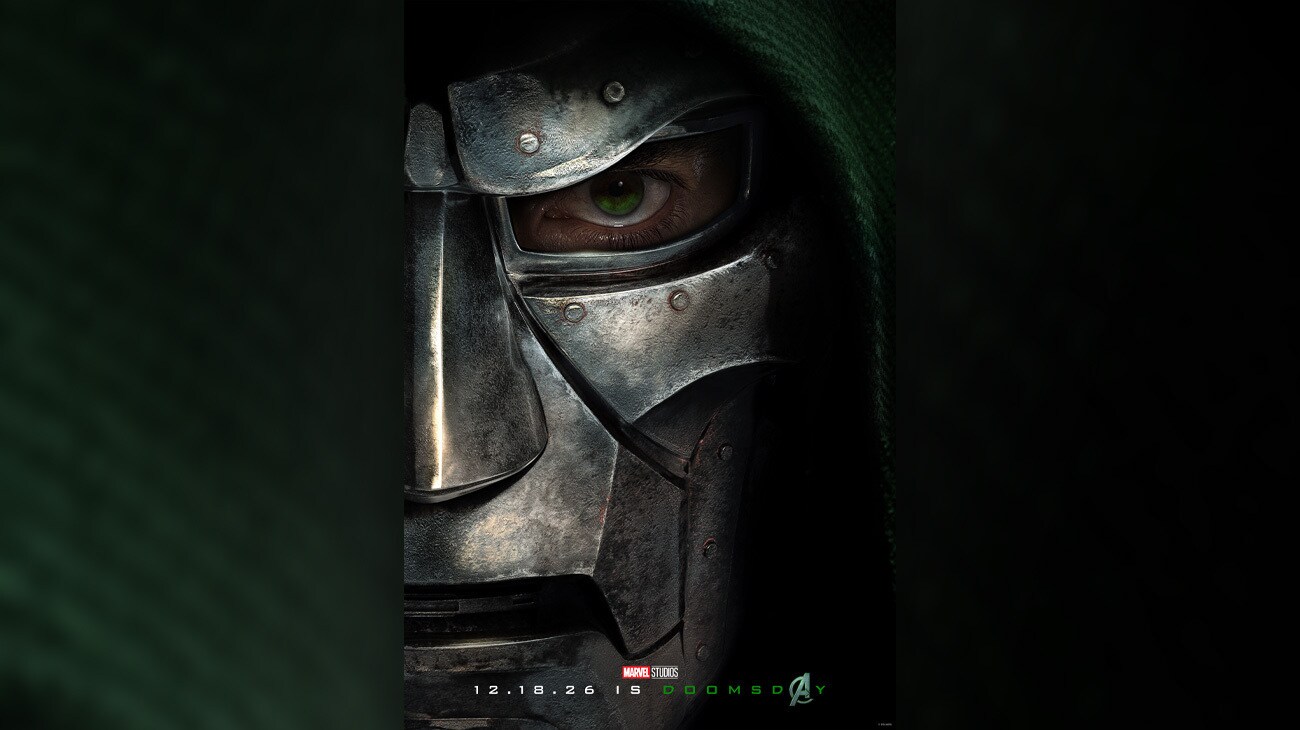
Marvel has announced Robert Downey Jr. as Victor von Doom, making the character an obvious subject of renewed interest. The casting does not confirm that Doom is Tony Stark, a resurrected version of Stark or one of his variants. A familiar actor and a familiar metal suit do not establish a shared fictional biography. Doom has his own history, rooted in published comics, and it is substantial enough without an invented film twist.
The film has a territory-specific release schedule. Disney UK Press and Disney+ UK give 16 December 2026 for UK cinemas; the US Disney Movies page gives 18 December. Some older generic UK materials have also shown the American date, so check the actual cinema listing. The comics account below is established source history, not a claim that Marvel has already screened the character's new film origin.
Where Doctor Doom first appeared
Doctor Doom's first published appearance is Fantastic Four (1961) #5, in the early Stan Lee and Jack Kirby period. Marvel's publisher reading guides establish the issue as his debut, and the company's Fantastic Four team history describes his long relationship with Reed Richards and the family. The important distinction is between a first appearance and a complete origin. It is a mistake to treat every detail introduced in later comics as though it was already fixed in his first encounter.
Serial characters acquire histories in stages. Later writers revisit childhood, rivalries, family ties and motives, sometimes supplying new emphasis. Doom arrives as an antagonist with plans for the Fantastic Four, rather than as a supporting character whose abilities have been neatly explained in one laboratory scene. His insistence that the team serve his purposes already sets the tone. The quarrel is not merely over who can build the better device. It is over whether anyone else may refuse him.
That makes Fantastic Four #5 a useful entry point rather than a complete answer key. Readers interested in the character should trace each claim to its actual comic issue. A later synopsis can support the broad shape of a story, but it cannot replace unseen panels or establish dialogue nobody has checked.
Why Latveria matters more than the costume
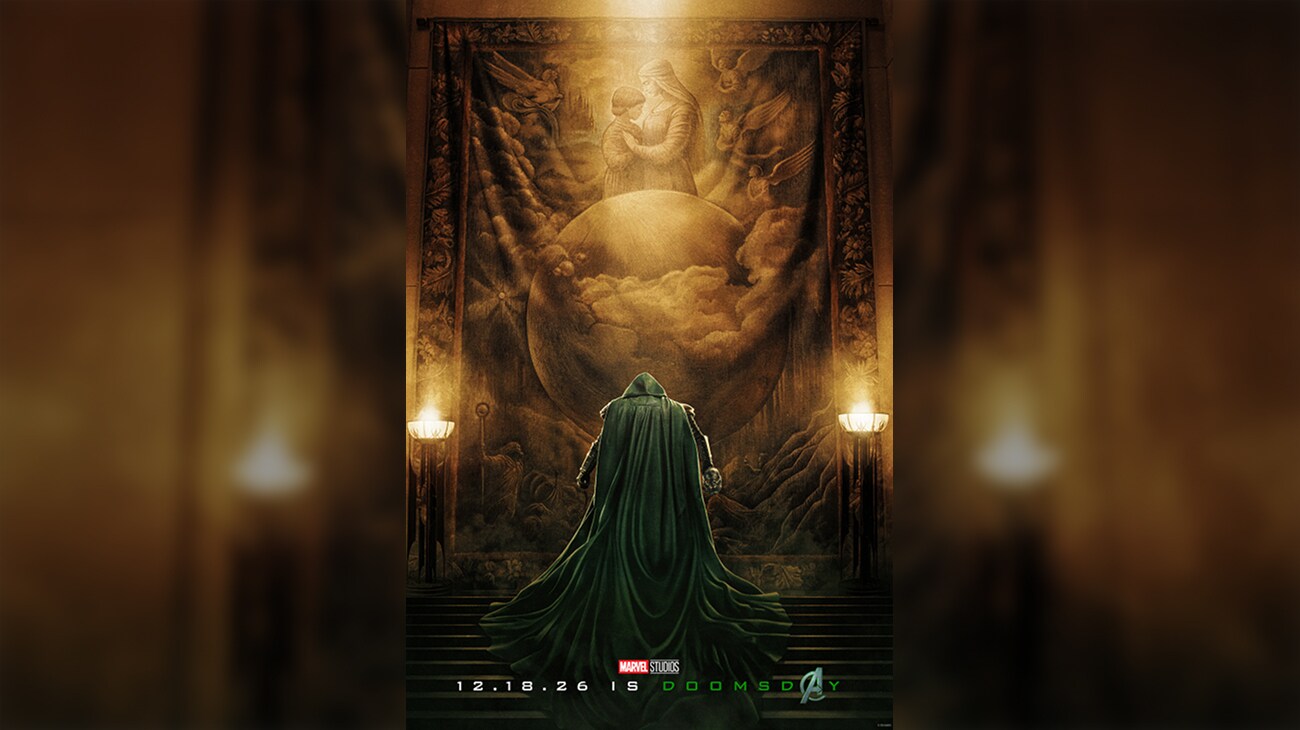
Victor's association with Latveria makes him a different kind of Marvel antagonist. He is not simply a powerful inventor who can disappear into a secret workshop. In the comics he rules a fictional European country. Disney's own UK preparation guide describes him as Latveria's monarch and a figure combining technology with sorcery. Being a ruler means that his private convictions can become public policy.
That is what makes the character uncomfortable. Doom may understand dangers other people cannot solve. Some stories allow him to deliver genuine protection, and his opponents are not always more competent than he is. Nevertheless, protection offered on the condition of obedience is a bargain with a serious cost. Citizens have to live under decisions they may not have been free to challenge.
His powers and political position therefore belong in the same account. Science makes his plans possible. Magic broadens what he can attempt. The throne makes the consequences extend beyond a fight between costumed rivals. His most dangerous assumption is that being capable of doing something gives him the right to decide whether everybody else must accept it.
Later comics explore his early family history and his mother's relationship with the occult. Those are part of the publication tradition, but this article does not attribute a specific childhood incident, spell or bargain to the unreleased film. It would be a poor origins guide to turn a comic detail into a supposedly confirmed screen scene without evidence.
Armour, engineering and sorcery: different kinds of power
Doom is a scientist and inventor capable of extraordinary engineering. His armour offers protection and weaponry, and his technological schemes can be as consequential as the plans of better-known Marvel geniuses. But he also practises magic. A straight comparison with Iron Man misses the mystical side; a comparison with Doctor Strange alone misses the formidable machinery.
Power comparisons become less useful when they quietly collect every feat from decades of stories and combine them into one imaginary permanent ability. A better method is to ask which issue is being discussed, whether a feat depends on armour, a spell, an ally or a temporary circumstance, and whether it tells us something about his judgement. The fact that Victor can occasionally accomplish something astonishing is not evidence that every version of him can repeat it under every condition.
The broad repertoire also exposes a weakness. He is drawn to the idea that any difficulty can be resolved by a more elaborate system under his control. Science cannot guarantee consent. Neither can magic. A ruler who uses both to silence disagreement has solved the engineering question and missed the human one.


What Reed Richards represents to Doom
Marvel's Fantastic Four comics history identifies Reed as Doom's major intellectual rival. A publisher listing for Doomquest (2026) #1 explicitly describes Doom taking exception to Reed's public scientific recognition. That is one later example of the mechanism. Another person's achievement feels to Victor like an assault on his own position.
Reed is not without faults. His absorption in research can leave people close to him carrying the practical and emotional burden of his experiments. The difference is that Sue, Ben and Johnny can challenge him, and the stories give him reasons to listen. Doom often treats a correction as humiliation rather than useful information. That response makes disagreement into a contest for total authority.
In comics, the feud can be personal, technological and political at once. A problem that might have been solved collaboratively becomes another attempt to establish supremacy. Doom is interesting precisely because the reader can sometimes understand what he wants without having to accept what he does to get it. His insight does not excuse coercion.
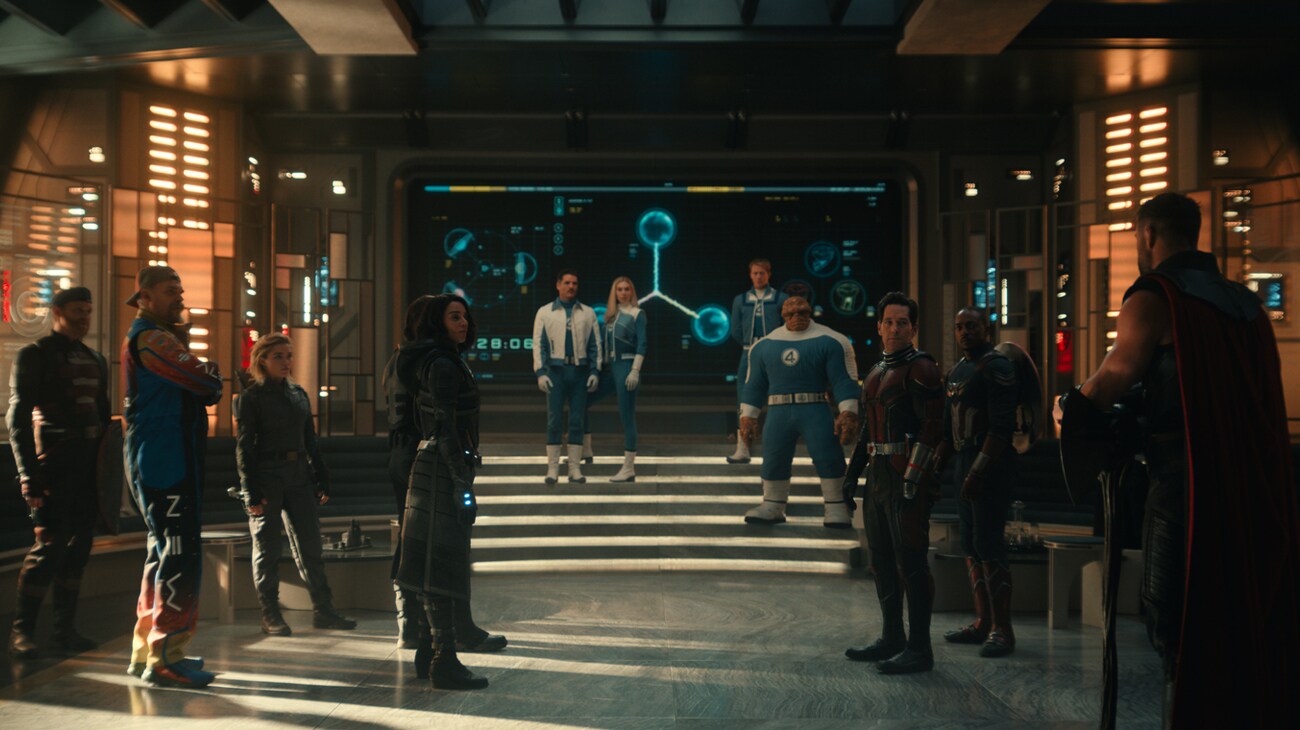
The film publicity establishes both an actor playing Victor and performers from the Fantastic Four ensemble. It does not establish the particular memories shared by Doom and Reed in this version, a line of dialogue or the outcome of their confrontation. Do not exchange a fascinating comics tradition for a false spoiler.
Why Secret Wars matters without being a leaked plot
Marvel's Secret Wars comics offer another approach to Doom's ambitions. The company's Avengers comics history describes the character's involvement with Battleworld, a setting built from pieces of the multiverse. The connection is useful because the confirmed new film has been promoted as a threat to multiple universes, with another Avengers film titled Secret Wars also on the schedule.
Yet comic events are not advance film scripts. A film can borrow a character, setting or visual idea without preserving the same order of events or the same ending. To claim that a particular character will rule a film Battleworld because a comics version once did would skip the very evidence we need.
For a reader choosing comics, the sensible route is to start with the original Fantastic Four conflict, use the publisher's team history to follow how the feud evolves, and approach the relevant Secret Wars editions as distinct published stories. Avoid mixing every retelling into a single purported original issue.
Three documented comics connections, not three proven Easter eggs
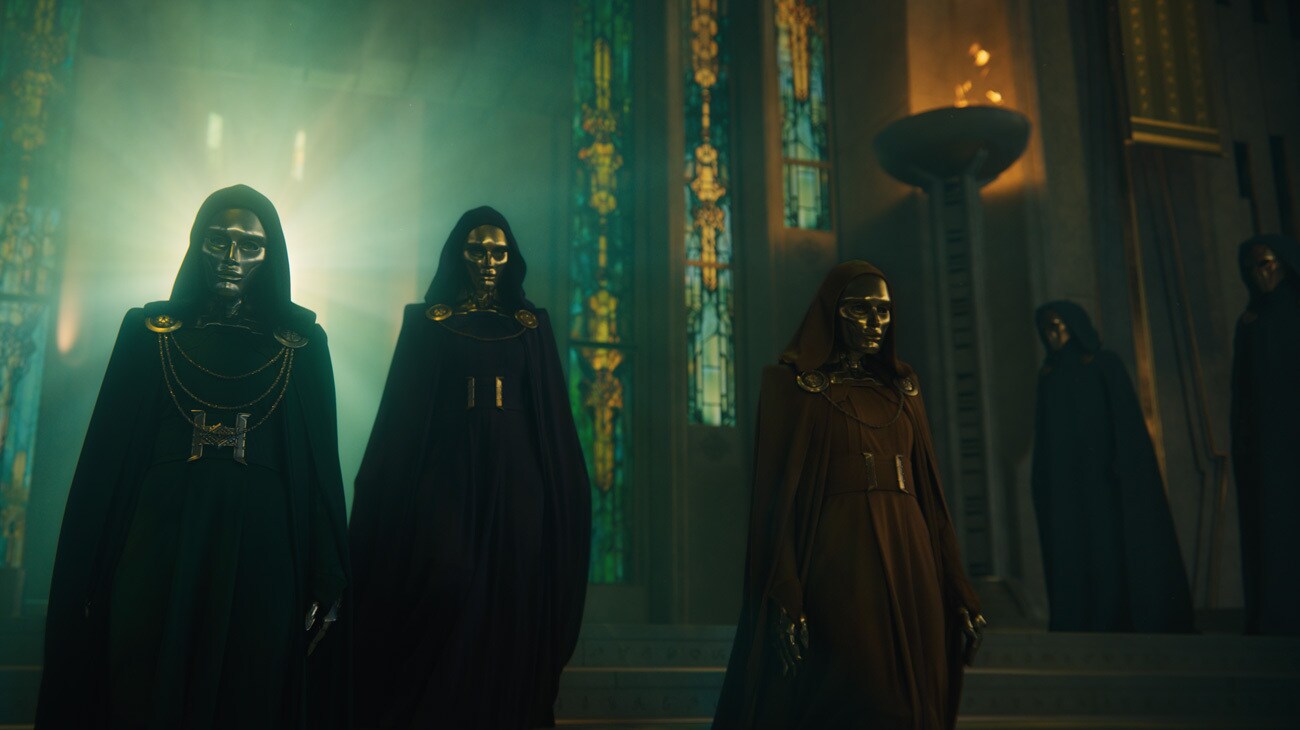
First, Fantastic Four (1961) #5 is Doom's publisher-documented debut; Marvel's later team histories describe the continuing feud. The exact interior panel-to-panel causal thread still requires a separate close audit. Second, the official Doomquest issue synopsis demonstrates how Reed's scientific recognition can provoke the rivalry. A synopsis is evidence about a publication, not a transcript of its interior pages.
Third, publisher summaries of Secret Wars supply comics precedent for Doom's role in a multiverse-scale crisis. None of these three becomes a confirmed future film payoff merely because the new movie is advertised. The accurate present tally is three documented editorial connections, zero independently certified two-ended panel callbacks and zero certified Doomsday story resolutions.
Hero psychology: Victor von Doom
Victor's strength is not imaginary. He can carry out difficult work, invent ingenious machines, pursue dangerous knowledge and stand against opponents beyond most people's capabilities. If he were merely boastful, he would be an uninteresting opponent. He is formidable enough for his self-confidence to sound plausible.
The problem comes when another person's ability is interpreted as personal injury. Reed Richards does not diminish Victor simply by being intelligent. Victor behaves, in many stories, as though Reed's successes subtract from his own worth. Rivalry becomes a way of suppressing doubt. If the audience sees him fail, perhaps the mistake can always be blamed on a rival, a disloyal subject or a world too foolish to understand.
Latveria makes the cost concrete. Victor can use the language of protecting people whilst insisting they may not refuse him. Protection without the freedom to disagree can become dependence. His achievements might be real; the consent he claims is harder to establish. That is a judgement about the moral arrangement shown in the comics, not a diagnosis of a person or a prediction of a particular movie scene.
His most telling moments are sometimes the ones in which cooperation is possible. Doom can recognise a greater threat and work temporarily with somebody he despises. Those stories reveal what an alternative might look like. The difficulty is his tendency to treat a compromise as an indignity and a final victory as proof that his methods were always right.
Robert Downey Jr.'s casting offers an opportunity for a screen interpretation of that contradiction. The mask hides the face; the more revealing disguise is the belief that winning makes every coercive decision justified. That is the question worth taking into the cinema, not an unsupported promise about who will live, die or rule when the film ends.
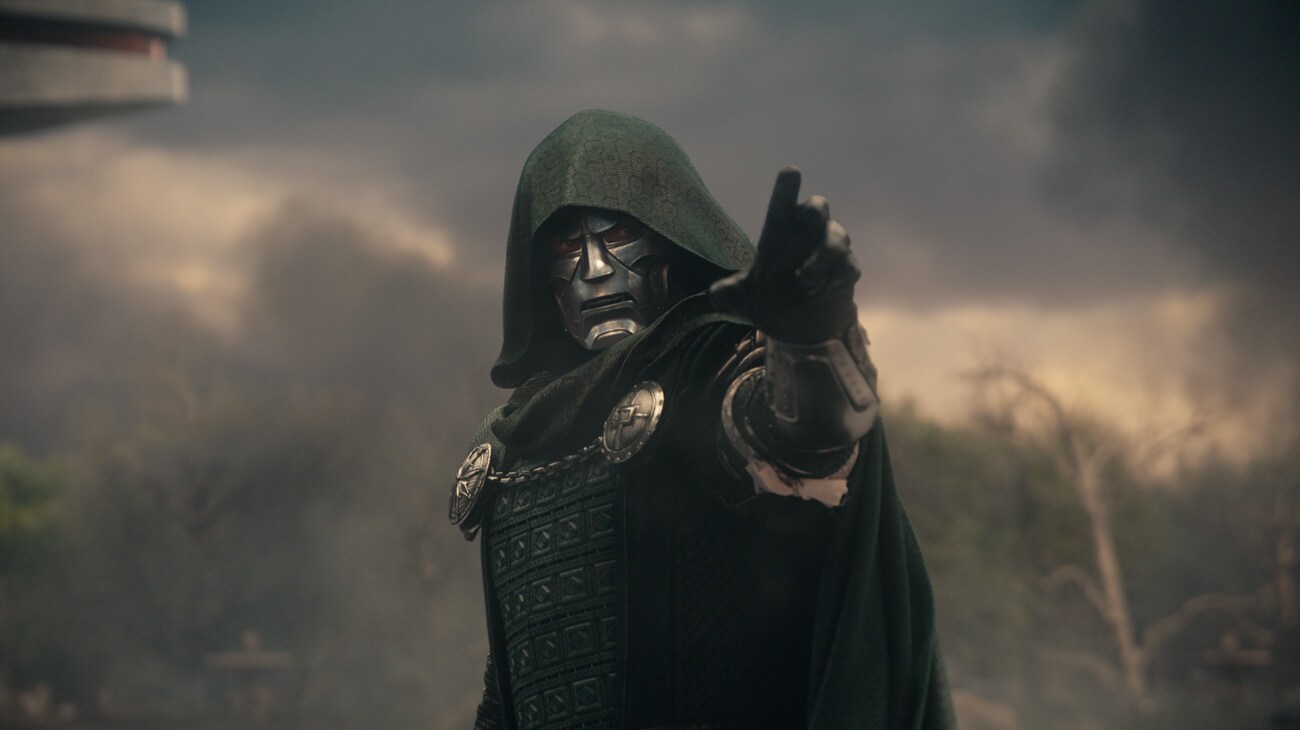
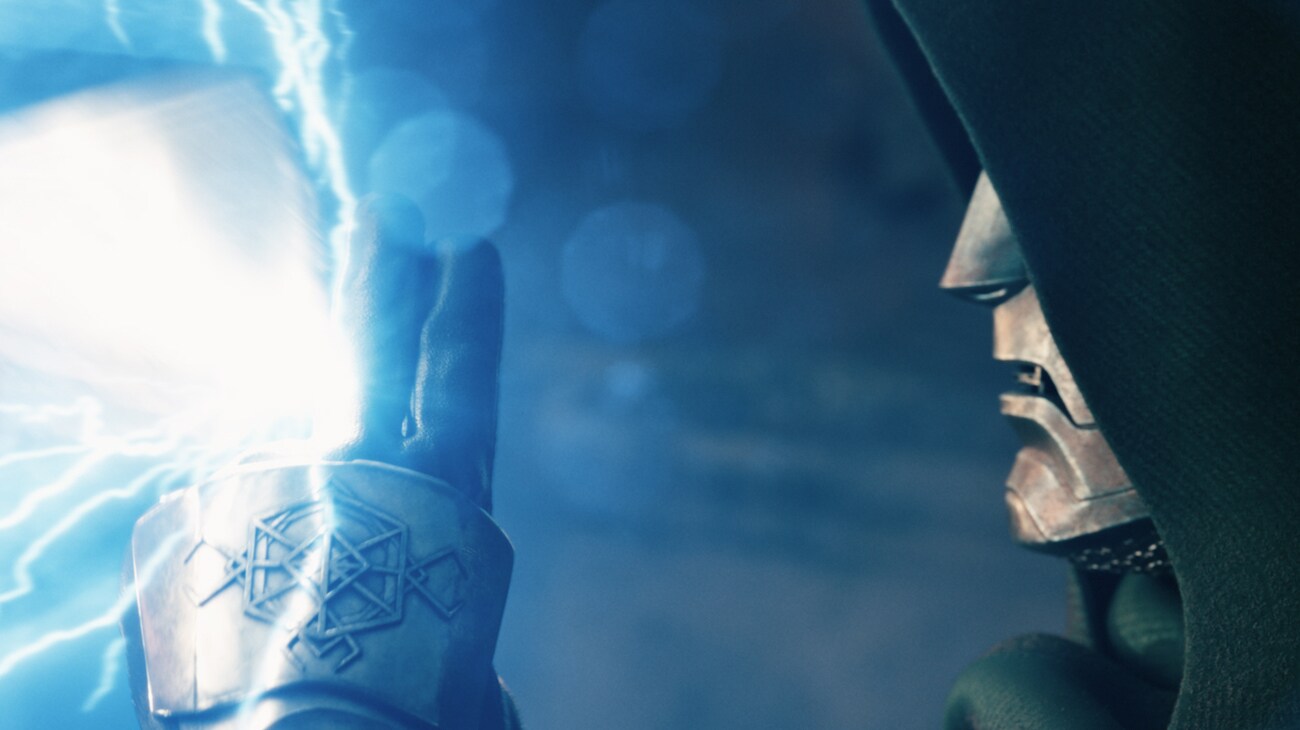
The short answer is that Doom's powers are formidable, his history is complicated, and his rivalry with Reed is more personal than a simple science competition. Read the comics to understand the grievance. Let the film reveal what this particular Victor chooses to do about it.
Publisher sources and visual credits
Marvel Comics publication history is distinguished from Marvel Studios' unreleased film. No comic scene is described as a confirmed new film payoff; no exact panel or film timecode is invented. Images are direct Disney-owned CDN source files with publisher attribution and originate from the official galleries cited beside each pair. Independent public-site rendering and precise usage terms remain audit items.
- Marvel publisher: original Doctor Doom first appearance listing
- Marvel: Fantastic Four and Reed/Doom history
- Marvel: Doomquest issue description
- Marvel: Avengers comic history and Battleworld reference
- Disney+ UK: confirmed territory opening and advance story framing
- Disney UK Press: official dates and advance material
- Disney Movies: official Doom posters, promotional image credits and film stills
- Disney UK Press: released First Steps gallery and Reed Richards imagery
UK opening 16 December differs from Disney's US 18 December. Film outcomes and detailed comic panel claims remain deliberately unasserted.