
Avengers: Doomsday — What Marvel Has Actually Confirmed
Updated
 Aisha.REditor
Here is the claim worth checking before Avengers: Doomsday: Robert Downey Jr. is back, so Tony Stark must be back too. Sounds plausible for about three seconds. Then Marvel's actual announcement gets in the way. Downey has been named as Victor von Doom. The studio did not announce that Tony Stark survived, returned as a villain or somehow acquired Doom's identity. A confirmed casting decision has been turned into an imaginary plot explanation.
That is the distinction this guide makes throughout. Disney and Marvel have said plenty about the film's cast, its British opening and selected promotional footage. Those are useful facts. They are not the same thing as knowing the motivations, alliances or fate of characters in a film that has not yet premiered. The sensible approach is to show the evidence, then stop where it stops.
For British cinemagoers, the date has a clear territorial answer. Disney UK Press confirmed Wednesday 16 December 2026 and subsequently reconfirmed that date in reporting on Endgame: Encore. Disney's US coverage gives Friday 18 December. A general UK landing page has also carried an 18 December date, so anyone booking a particular screening should use the cinema's own listing. A regional opening date does not settle the plot, either. It only tells you when you can discover it for yourself.
Who is confirmed, and what does a cast announcement prove?
Disney's announced ensemble includes Anthony Mackie, Chris Hemsworth, Pedro Pascal, Vanessa Kirby, Florence Pugh, Sebastian Stan, Tom Hiddleston, Letitia Wright and Simu Liu, alongside performers associated with earlier X-Men films. That is a striking combination of Marvel screen histories. It is not a list of confirmed alliances, character deaths or screen-time totals. An actor can be part of an ensemble without carrying its central argument.
Anthony and Joe Russo are confirmed as directors. Their work on The Winter Soldier, Civil War, Infinity War and Endgame explains the publicity interest in their return. It does not guarantee that every narrative trick or emotional payoff from those films will recur. There is a serious storytelling challenge behind the spectacle: a huge company of characters still needs choices that matter.
Did the official footage reveal the whole story?
No. Disney's September 2026 report on footage presented alongside Endgame: Encore described heroes from three distinct universes facing an existential threat. It mentioned Doctor Doom approaching Bruce Banner for reasons not disclosed, and a Time Variance Authority sequence in which Mobius, Casey and OB monitor incursions across the multiverse. Those are specific promotional descriptions; readers can check them against the studio's own report.
But the article does not tell us Doom's complete intention, what Banner decides or which world ultimately survives. Even if two images appear one after another in a trailer, that does not establish that the scenes are consecutive in the film. A preview is designed to suggest stakes, not to supply a neutral timeline.
So the useful question is not simply how many universes are at risk. It is who gets to decide what should be saved. That is a much more demanding dramatic problem, and it cannot be answered from a trailer edit. A film can show a vast catastrophe and still feel oddly empty if nobody's decision changes its outcome.
Is Doctor Doom secretly Tony Stark?
Marvel's public casting identifies Downey as Victor von Doom. The actor's earlier association with Tony Stark is real, but the announcement alone neither proves nor rules out whether the screenplay will refer to that resemblance. Saying Doom is Tony is speculation. Saying the film can never discuss Tony is also going further than the confirmed material allows.
Doctor Doom has an extensive comics history, especially through the Fantastic Four and his rivalry with Reed Richards. That history offers a useful contrast with Tony's earlier screen decisions: Tony often acts from an anxious desire to protect people, whereas Doom's conviction that he knows best can turn protection into domination. The difference is interesting even if the eventual film chooses not to compare the two characters explicitly.
Disney has announced an actor and a character. It has not delivered a certified explanation of how every Marvel world and history fits together. Treating that gap as a clue is fair. Filling it with a fabricated reveal is not.
Which earlier MCU stories are genuinely useful preparation?
The Winter Soldier challenged Steve Rogers' faith in institutions. Civil War made oversight and loyalty competing demands within the Avengers. Infinity War showed the dangers of responding separately to a shared threat; Endgame turned to loss, time and a costly restoration. Those released films offer strong questions to take into a crossover: who can act for others, what should be sacrificed and who must live with the consequences?
The TVA's screen history in Loki is particularly relevant now that Disney's own promotional report refers to TVA characters and incursions. Yet relevance is not proof of a planted Easter egg. A verified payoff needs two independently checkable released scenes: the original detail and the later moment that establishes what it meant. A coming attraction cannot close that chain merely by mentioning the same organisation.
The Fantastic Four supply another line of background. Comics readers recognise Doom as a long-standing adversary, while the released Fantastic Four: First Steps belongs to its specifically described alternate reality. Nothing in the cast list establishes the exact route by which the family meets Doom or other Avengers. Context prepares you for the film; it does not leak an ending.


What is an actual continuing story thread — and what is just a theory?
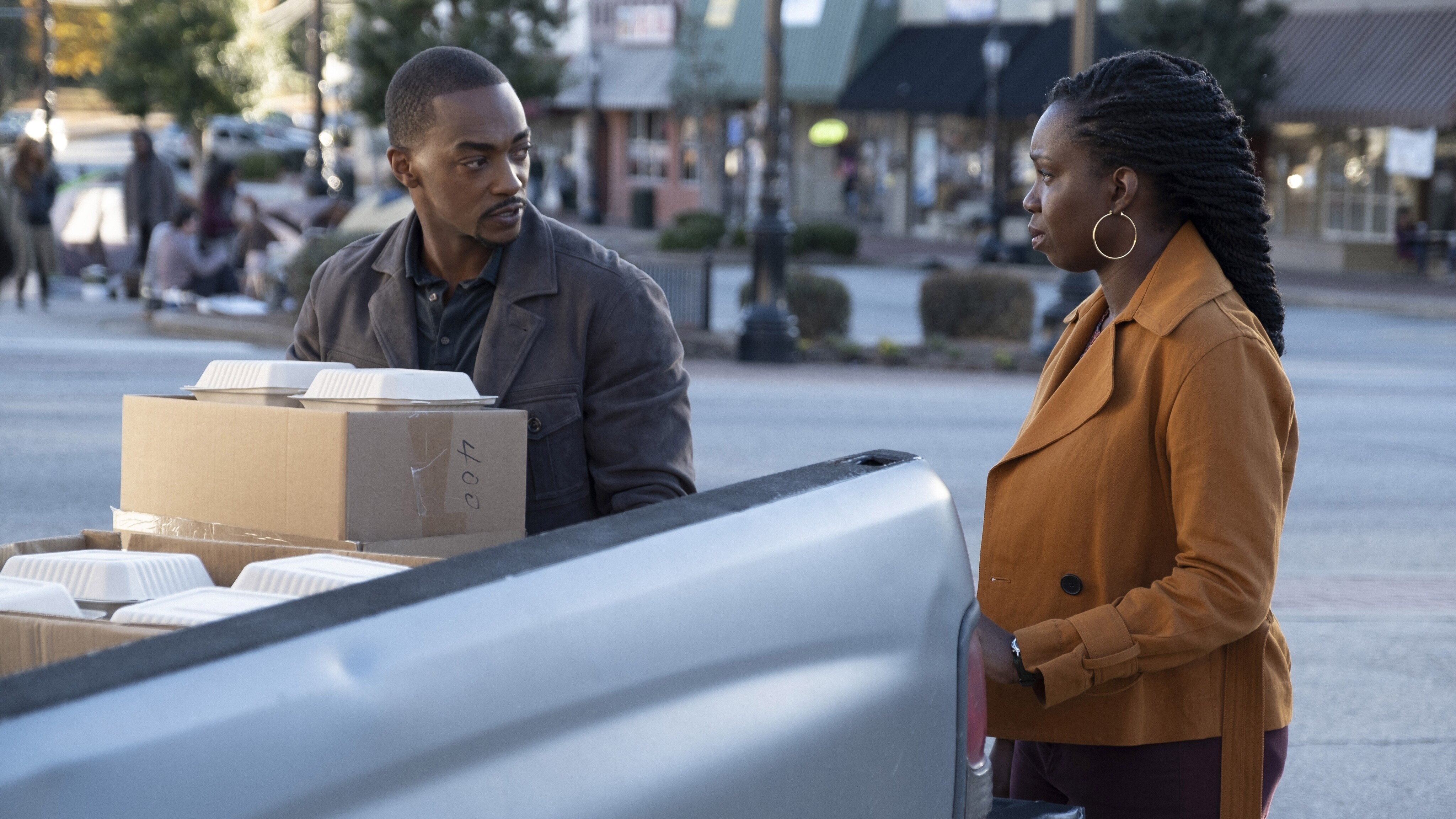
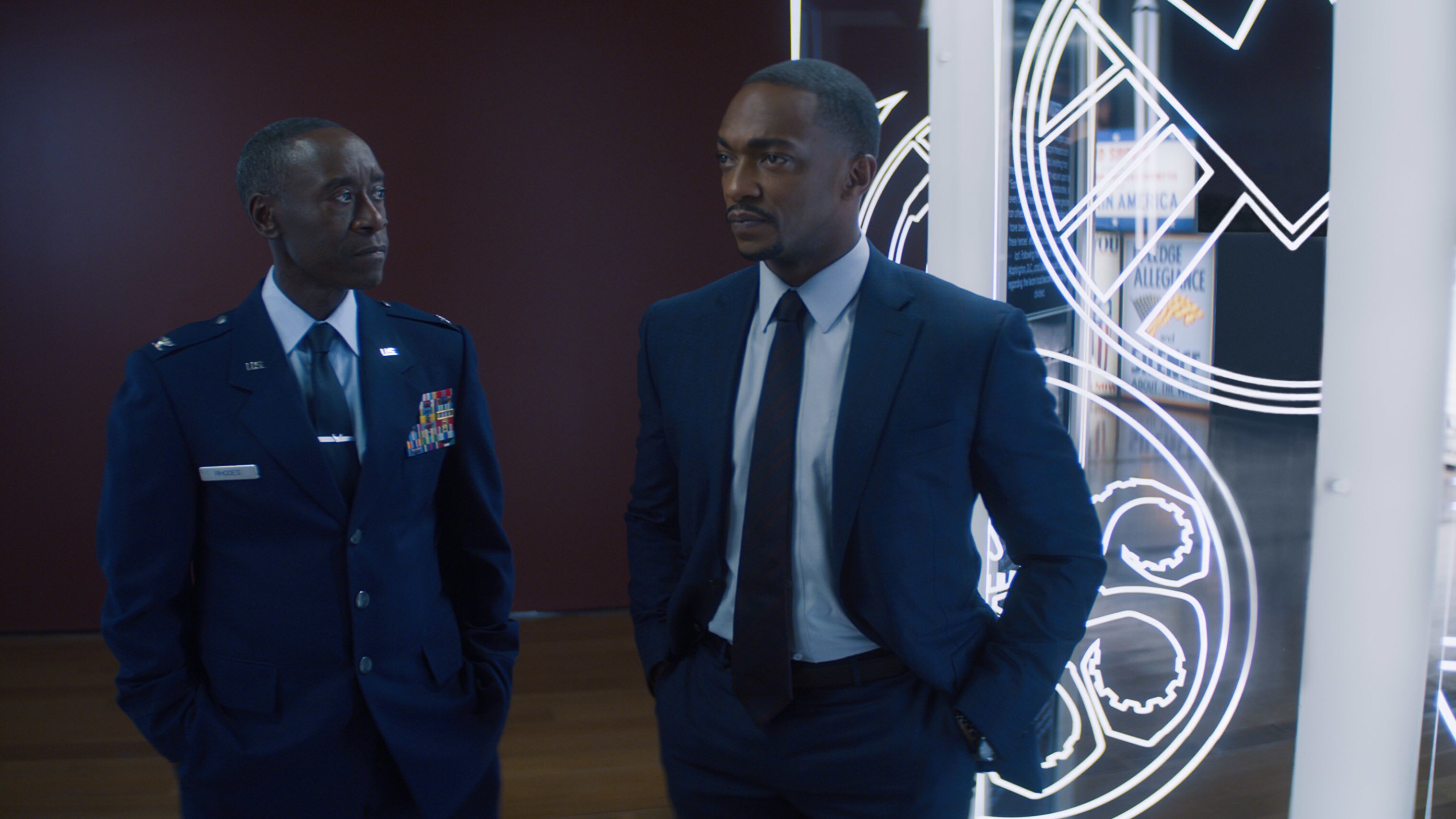
Three examples help draw the line. First, Steve Rogers hands Sam Wilson the shield in Endgame, and later released Sam-centred stories explore what accepting it requires. That is documented character continuity, not a prediction of Sam's actions in Doomsday. Second, Loki establishes the TVA; official new-film publicity also refers to TVA characters. That is a verified promotional connection, but its next story payoff remains open.
Third, Reed Richards and Doom's rivalry is well established in Marvel Comics. Downey's announced character and the Fantastic Four's announced presence create a reasonable expectation of thematic relevance. They do not prove any particular confrontation or dialogue in the unreleased movie. Comic precedents are not automatic film spoilers.
These examples form a simple fact-check: label a claim confirmed when a primary studio source supports it; established on screen when a released work shows it; interpretation when it is an argued reading; and unresolved when its purported payoff is still absent. There are three useful continuity leads here, but no independently verified two-ended Doomsday payoff. That is more informative than an impressive-looking count of 'secrets explained'.
Why the UK countdown makes accuracy more important
When a film this large is weeks away, each poster or cast appearance tends to produce another 'everything confirmed' headline. That is precisely when factual distinctions are worth keeping. A studio page can confirm the identity of a performer, the date of a UK opening or the presence of an organisation in promotional footage. It cannot confirm an invented ending just because a theory travels quickly.
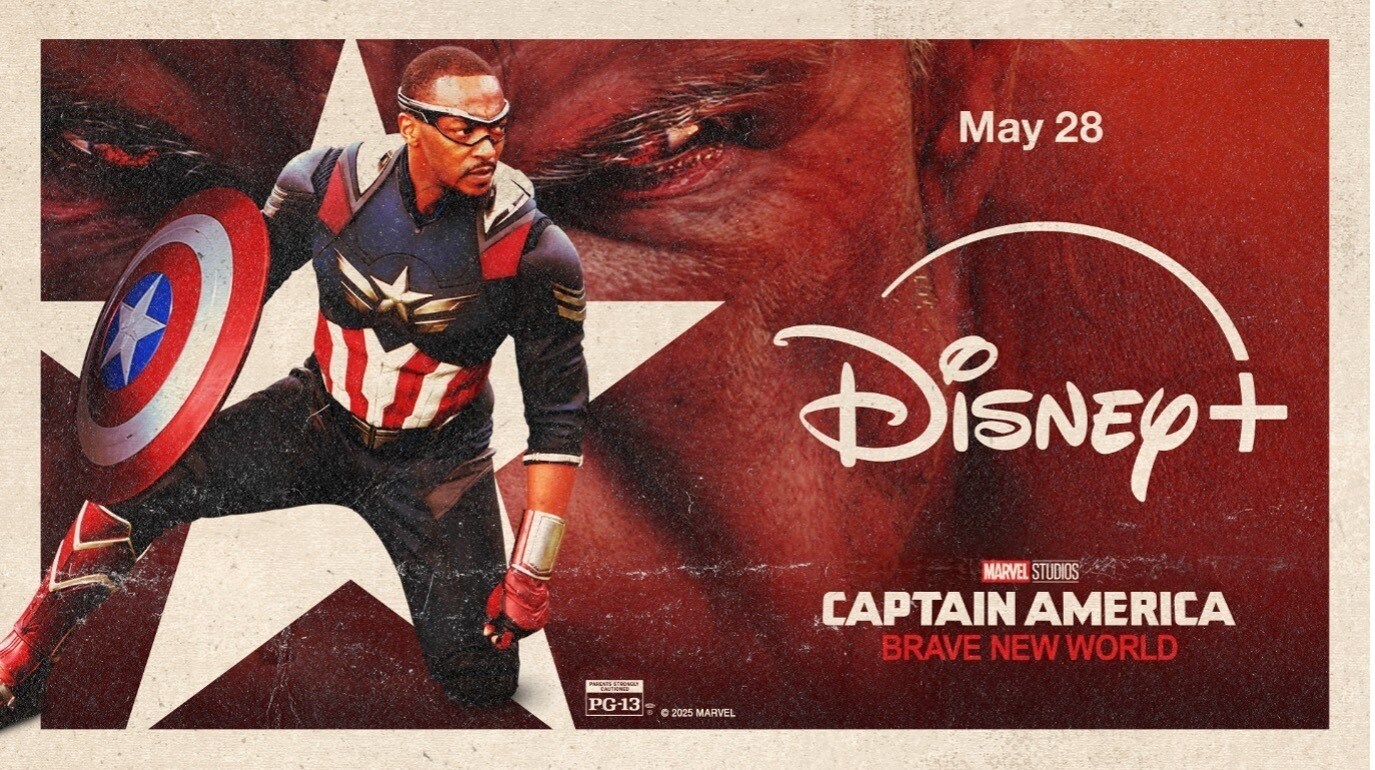
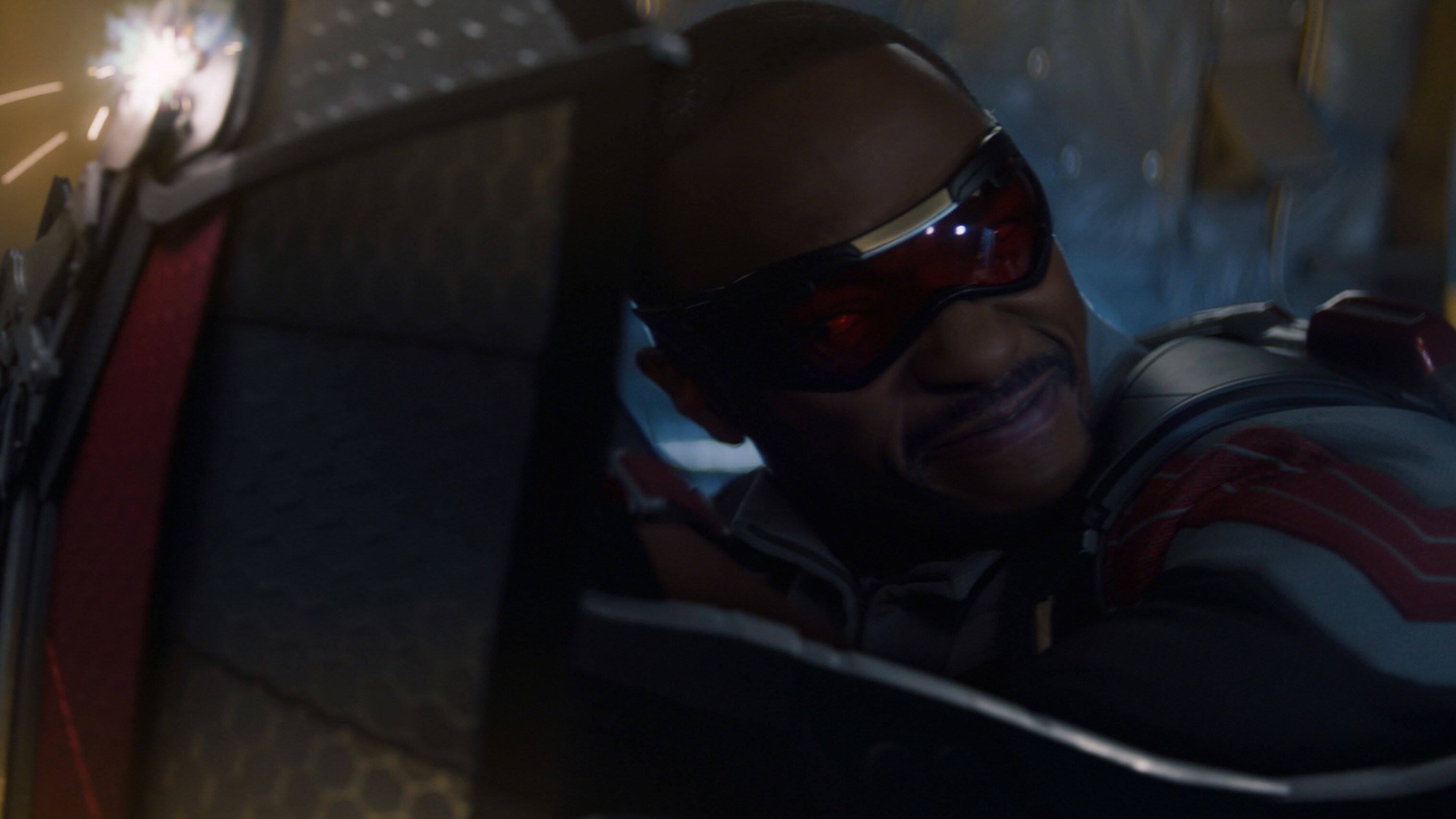
The same care should apply to pictures. These images come from Disney's official galleries of already released productions and are labelled accordingly. They are not presented as leaked Doomsday stills. Their role is to show where familiar character threads come from, and the source-gallery credit remains visible.
Hero psychology: what Sam Wilson brings to the question
Sam Wilson's Captain America does not begin with Steve Rogers' enhanced body. Disney's interviews around Brave New World emphasised his capacity to seek common ground, whilst Anthony Mackie discussed the practical difference between Sam and a super-soldier. That makes Sam's burden unusually human. He can carry the symbol of authority without being physically invulnerable or automatically trusted by everybody who sees it.
Steve chose Sam to receive the shield, but the decision did not magically settle what the title should mean to Sam or to the country around him. Subsequent stories ask him to choose the responsibility rather than merely wear the colours. That is a strong basis for thinking about a multiverse ensemble: the person who represents an ideal must still listen to people who disagree about its meaning.
It is tempting to imagine Sam becoming the hero who unites everyone against Doom. There is no confirmed released scene establishing that as the film's outcome. The sounder expectation is a question, not a promised answer: can someone whose power rests in judgement and trust help people from different worlds decide together?


That's what the best preparation for Doomsday looks like: not an imaginary solution to the plot, but an understanding of why the people behind the costumes have choices worth watching. Marvel can advertise a meeting of worlds. The film itself must show whether those worlds can agree what should be saved, and whose voice matters when they cannot save everything.
Official sources and verification
This preview distinguishes primary studio announcements and descriptions of promotional footage from interpretation. Disney UK Press confirms the UK cinema opening for 16 December 2026; the specific cinema's ticket listing governs actual showtimes.
- Disney UK Press: official trailer, poster and UK opening
- Disney UK Press: 16 December confirmation and ticket context
- Disney: Avengers: Doomsday cast announcement
- Disney: Russo brothers and official footage description
- Disney: Sam Wilson and Brave New World interviews
- Disney UK Press: original Brave New World image credits
- Disney UK Press: original Falcon and the Winter Soldier image credits
Images are credited to their official studio galleries and depict earlier released stories, not invented Doomsday scenes. Exact plot outcomes and fan theories are not treated as confirmed production facts.