
Reed Richards and Doctor Doom: The Rivalry That Matters
Updated
 Priya.VEditor
Suppose two people agree the world is in danger and believe they are clever enough to save it. The obvious argument should concern the solution. With Reed Richards and Victor von Doom, the harder disagreement is about who gets to decide for everybody else.
That question, rather than a contest over the biggest invention, makes their Marvel Comics rivalry a useful way into Avengers: Doomsday. Disney and Marvel have announced Robert Downey Jr. as Victor von Doom and a large ensemble including the Fantastic Four. They have not supplied a complete account of Reed and Victor's relationship in the new film. The comics can tell us what makes the pair interesting. They cannot tell us which unreleased film scene will happen or how it ends.
It is unfair to make Reed an unblemished genius and Doom a man with no good ideas. Reed's confidence can be costly to the people around him. Doom can recognise danger, invent extraordinary solutions and sometimes protect people. The decisive distinction is how each responds when someone else has a legitimate objection.
The Fantastic Four began as a group, not a throne
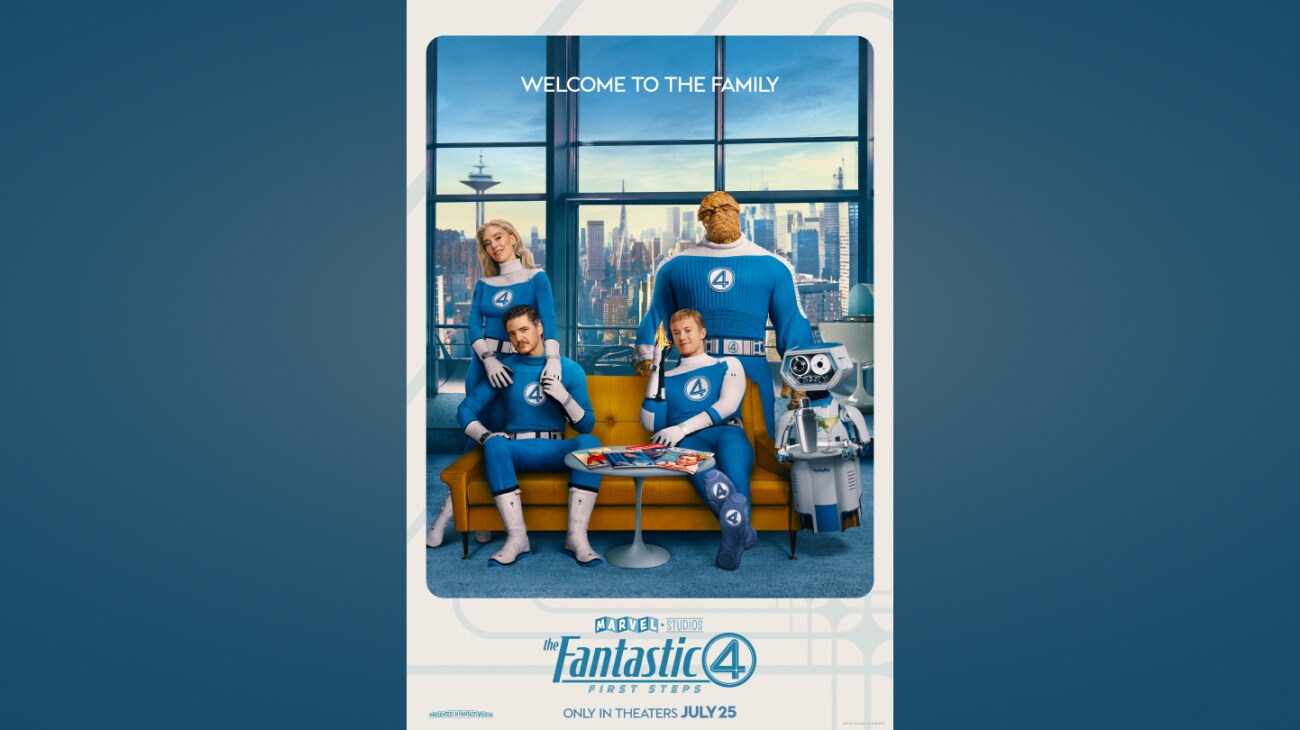
The Fantastic Four origin begins with four people changed by a spaceflight and required to live with its consequences together. Marvel's comics history records Reed's experimental spacecraft, Ben Grimm's part as pilot and the family's first encounter with the Mole Man. Elasticity, invisibility, fire and a stone-like body might have sustained four independent adventures. Instead, these heroes are a group whose disagreements matter.
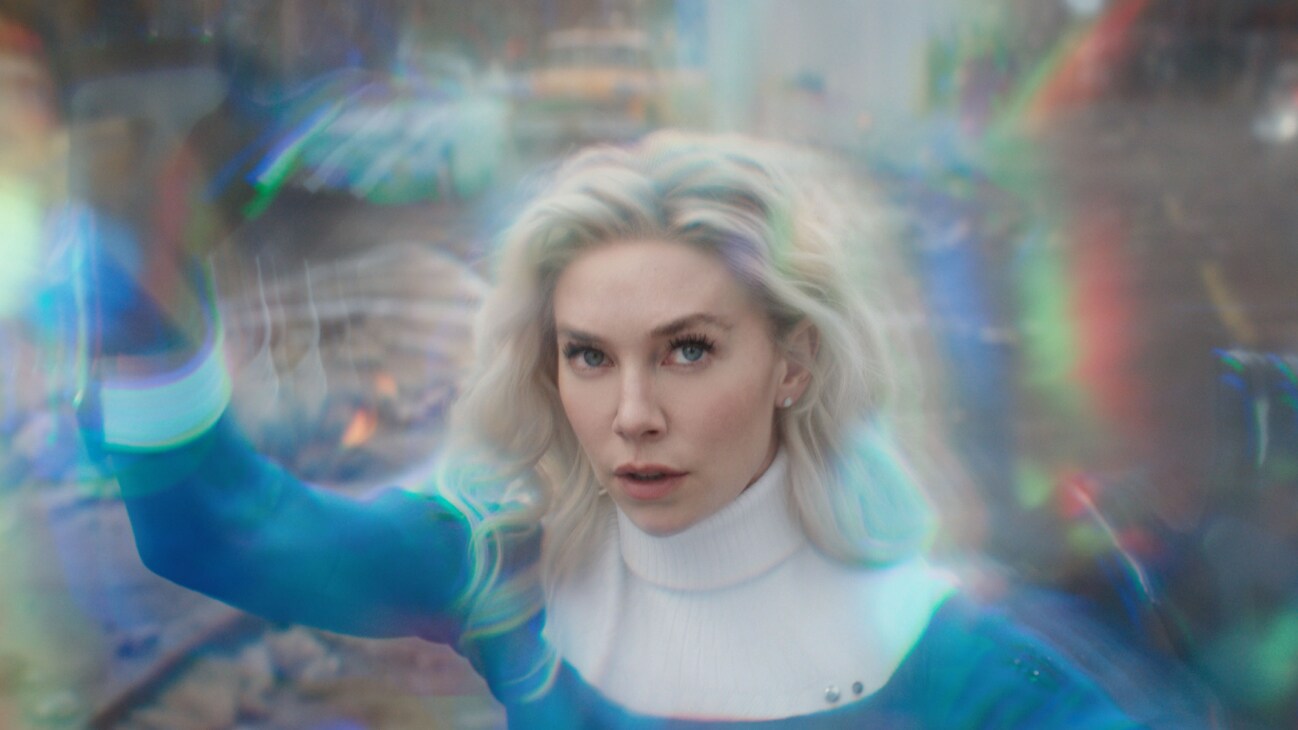
Reed can offer a brilliant plan. Sue can question whether it is wise. Ben may carry the consequences of a journey Reed considered worth the risk. Johnny's jokes can puncture a moment of scientific solemnity, but they may also express an objection that deserves to be heard. This is the group's weakness and its strength: other people can tell the most intelligent member that he is mistaken.
For viewers of The Fantastic Four: First Steps, the family structure is familiar. Disney describes Pedro Pascal's Reed, Vanessa Kirby's Sue, Joseph Quinn's Johnny and Ebon Moss-Bachrach's Ben confronting Galactus and Silver Surfer in a retro-futuristic alternate world, Earth-828. That design is not evidence that every earlier mainline MCU story took place in the 1960s. A visual setting, an alternate universe and an ordinary calendar date are different things.
Reed's brilliance still needs limits. An ambitious experiment can be technically promising and impose a cost on somebody who did not freely choose it. The Fantastic Four stories repeatedly put that cost in the room with him, usually in the form of people who know him well enough to challenge his reasoning.

What Doom cannot accept about Reed
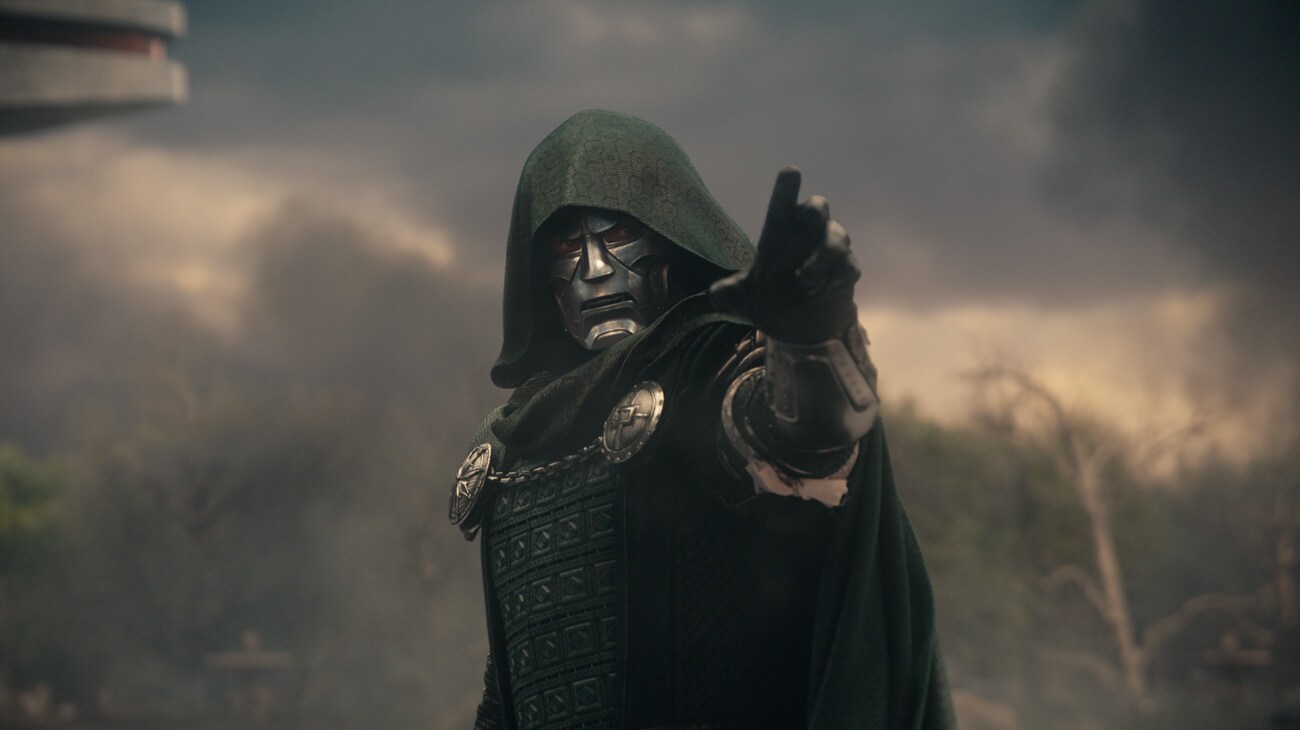
Doctor Doom first appeared in Fantastic Four (1961) #5 during Stan Lee and Jack Kirby's original run. Marvel's official Fantastic Four history identifies him as Reed's former college rival and describes his attempts to use the team for his own designs. This is a published comics relationship, not an advance description of the new film's plot.
That first relationship exposes a competing idea of leadership. Reed's family begins with shared risk, even if Reed is too inclined to lead the decisions. Doom regards other people's abilities as instruments he ought to command. The team might have worked with an ambitious inventor; Doom more readily turns the encounter into a contest that he must win.
There is a fair criticism of Reed. His work can absorb him. He may have an ingenious answer to a physical problem before he has properly considered the ordinary person affected by it. The difference is not that Reed has no arrogance. It is that Sue, Ben and Johnny can oppose him, and the story allows him the possibility of correction. Doom is at his most dangerous when correction feels like humiliation.
In the comics, victory over Reed can become a substitute for resolving Victor's insecurity. Another person's achievement is treated as if it diminishes his own. The motive is understandable as a character flaw, but it does not justify the resulting demand that an entire world acknowledge his superiority. A rivalry can explain the injury without excusing how somebody chooses to respond to it.
Latveria makes a private feud a public argument
Doom is not merely a scientist in armour. In Marvel Comics he is also a practitioner of magic and ruler of the fictional country Latveria. His decisions can become laws, and the consequences reach people far beyond the latest fight with Reed Richards.
A strong argument in Doom's favour is his competence. In a crisis, a leader who can understand the threat and order an effective response might save lives. A slow group can get things wrong. Reed himself is a reminder that consultation does not automatically produce wisdom. Those are real trade-offs worth considering rather than pretending every command is bad merely because it is decisive.
But competence does not establish consent. If citizens are safe only while obeying Doom, they cannot easily test whether another solution would protect them better. Absolute authority turns people into dependants and leaves the ruler with few honest ways to hear that he has failed. An efficient order can be the wrong answer when the cost is borne by someone with no meaningful choice.
Reed's family offers a form of restraint that Doom's rule frequently denies. Neither genius is guaranteed to make a wise decision. Only one of these sets of relationships regularly puts a dissenting voice close enough to interrupt the process.

Three continuities that should not be merged
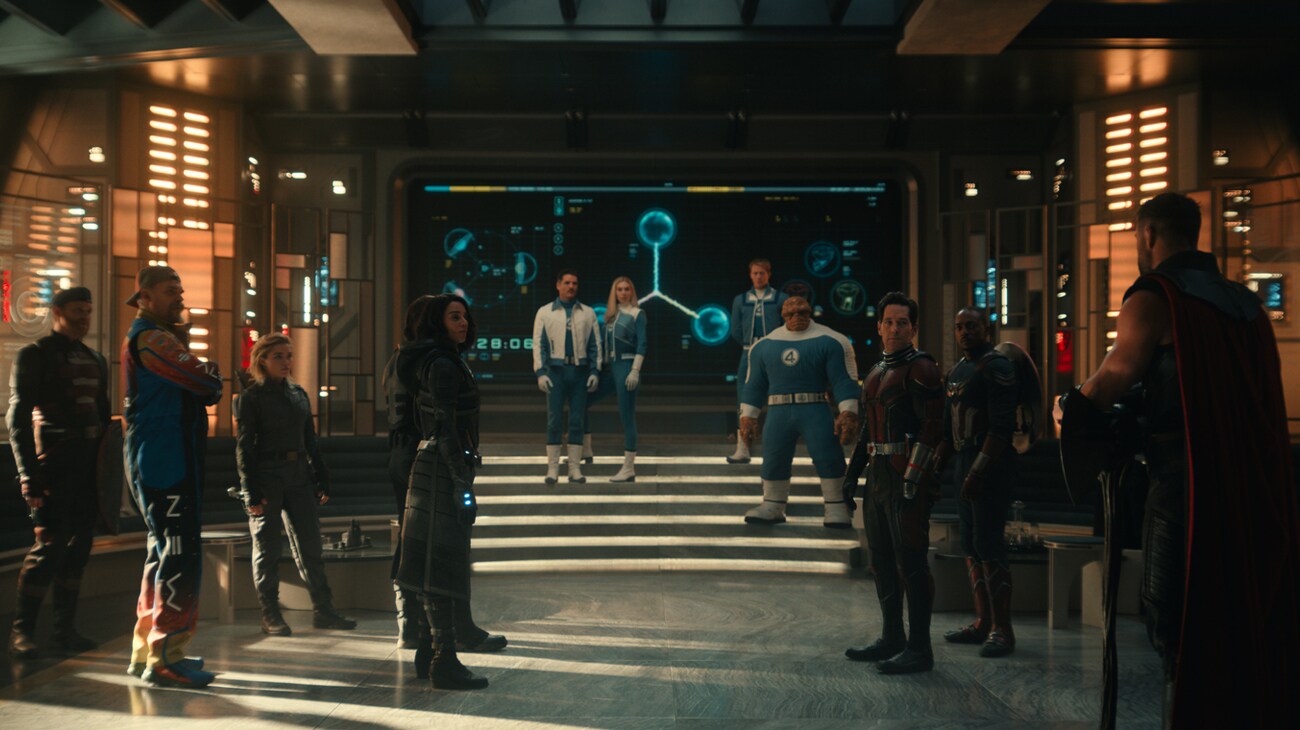
It is easy to mix three different versions of this story. First is the long-running Marvel Comics Reed–Doom rivalry, expanded and revisited over decades. Second is the released Marvel Studios First Steps feature, with its own Earth-828 Fantastic Four. Third is the still-unreleased Avengers: Doomsday, whose promotion has shown familiar heroes across different worlds without fully explaining this Doom's relationship with Reed.
A 1960s-inspired film aesthetic does not place its events on the same calendar as the Earth-616 Avengers films. Nor does a comics scene guarantee that the film's characters remember or experienced an identical event. Even the casting of Robert Downey Jr. as Victor von Doom cannot establish that he is secretly Tony Stark. The announcement supplies a name and a performer, not a certified screenplay explanation.
That distinction matters for readers choosing what to watch and read. The comics describe the moral stakes of their rivalry. First Steps lets viewers meet this cinematic family. Studio Doomsday announcements identify performers and broad stakes. None can stand in for a future scene that has not yet been released.
Does a family make Reed a better leader?
A family is no guarantee of good judgement. Reed can still ignore what Sue says. Ben's anger may be justified, but anger does not automatically produce a better solution. Johnny can make the discussion harder instead of clearer. The advantage is not harmony. It is the possibility that a consequential disagreement will actually reach the person making a decision.
Suppose Reed devises a machine that could save a world at a severe cost to one member of his family. His intelligence helps him understand the mechanism. It cannot, by itself, answer whether he is entitled to impose the price. That hypothetical illustrates the comic-book ethical tension; it is not a claimed scene from Doomsday.
Doom finds such a model difficult because compromise can feel like a public verdict against him. He can cooperate when a greater threat makes it necessary. The useful test is whether he regards cooperation as learning from another person's judgement or merely as a temporary means to resume command. A villain who is occasionally almost right is more troubling than a villain who is wrong about everything.
There is an editorial conclusion here. The most revealing question is not which character can calculate faster or strike harder. It is what each does when somebody else tells him no. That response exposes the difference between solving a problem for people and solving it while refusing to recognise them as people with a say.
Which plotline links are actually documented?
There are three useful leads, and none is an independently certified future Doomsday payoff. Marvel's published history identifies Doom's first Fantastic Four appearance and the continuing rivalry with Reed, although the specific issue-to-issue panel chain requires deeper checking. Disney identifies the released Fantastic Four film and its alternate world. Disney separately confirms its new film cast and the Victor von Doom role.
These are different classes of evidence. Comic publication information establishes a story tradition. A released studio feature establishes its own on-screen character relationships. A promotional cast list establishes participation. None automatically supplies the missing scene in which a newly presented Doom explains his history to Reed. Even a correct theory remains a theory until the relevant outcome can be checked.
Do not treat these as three verified Easter eggs. Exact two-ended comic panels and film scene timecodes have not been independently certified for this article. There are three documented editorial connections, zero confirmed cross-screen payoffs and zero established endings for the unreleased movie.
Hero psychology: Reed Richards
Reed's gift is the ability to imagine a solution others cannot see. His weakness is that the imagined solution can crowd out the people it is meant to help. The Fantastic Four spaceflight expresses both qualities: daring opens a new world, but its consequences are borne by Ben, Sue and Johnny as well as Reed.
That means responsibility cannot be measured by the elegance of a machine. A decision may be technically brilliant and still demand too much from someone who never agreed to the risk. Ben's altered body keeps the cost of exploration visible. Sue's objections are not distractions from scientific work; they challenge the purpose the work is meant to serve.
Reed's insecurity is quieter than Doom's, though it can be part of a reading of his choices. When everyone expects you to provide the answer, uncertainty may feel intolerable. The temptation is to retreat into another calculation rather than admit that no experiment has guaranteed the result. This is a character interpretation of published stories, not an invented diagnosis or a confirmed inner thought in a future film.
His best defence is therefore not a still greater intelligence. It is belonging to a relationship in which people are entitled to interrupt him. Sue may insist on a human priority. Ben brings the problem down to its physical cost. Johnny can express a serious disagreement without sounding suitably solemn. Their shared history prevents Reed from being automatically correct just because he knows the equations.
Doom, in contrast, can appear to require the last word to be compulsory. Their rivalry sets two fears against each other: Reed's fear of failing people he loves, and Doom's fear that another person might deserve authority he sees as his own. Both are interpretations, not spoilers. The stronger question for the cinema is who can hear an objection without denying the other's right to make it.

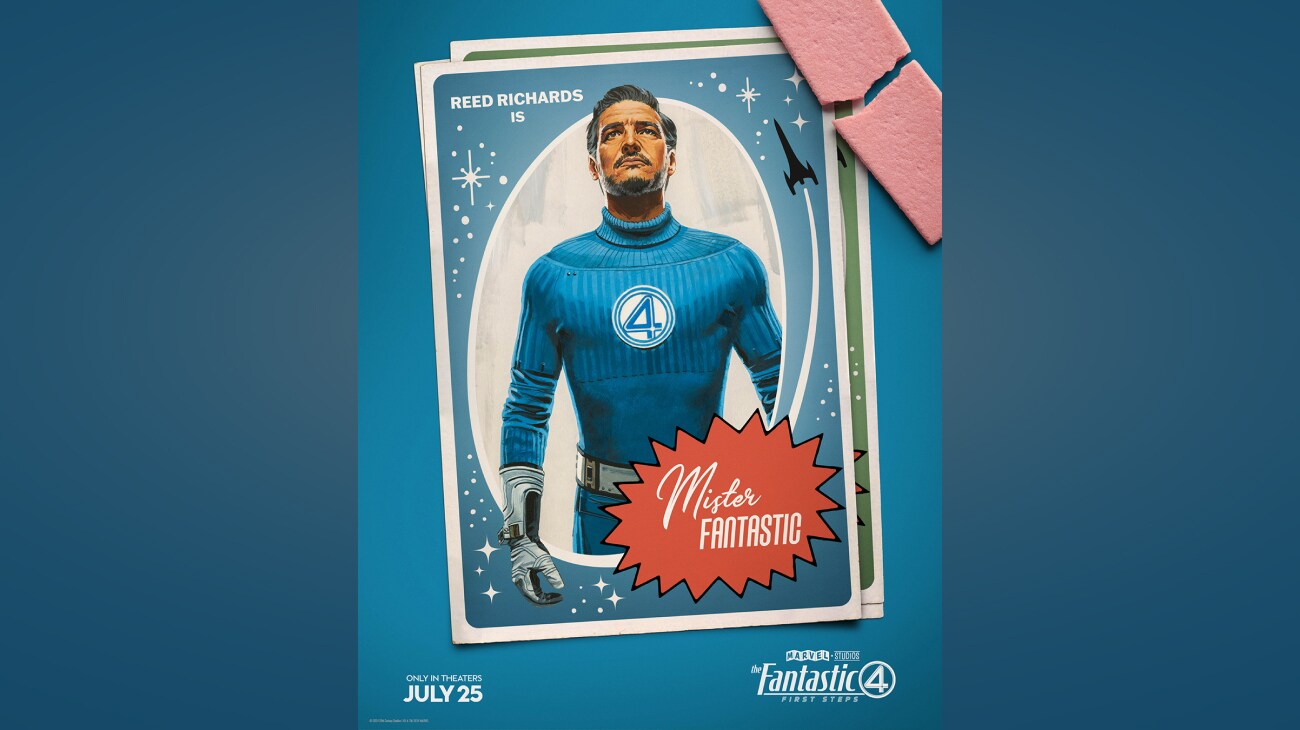
It would be easy to watch the new film as a race between two formidable men. The comics suggest a more interesting test: when an extraordinary mind has the power to make everybody else's future, does it still listen when they object? No trailer can answer that question in advance. The published characters make it worth asking.
Official evidence and image provenance
This article compares the documented Marvel Comics Reed–Doom rivalry with the separately established Earth-828 Fantastic Four screen family and the announced, still-unreleased Doomsday crossover. Interpretations of character motives are not presented as released Doomsday scenes. All eight illustrations use distinct original Disney CDN image paths, with adjacent captions and original publisher page attribution; public renderer and precise re-use rights require independent inspection.
- Marvel Comics: Fantastic Four original group history and Reed–Doom relationship
- Marvel: Doctor Doom's original Fantastic Four issue listing
- Disney Movies: First Steps film information and original eight-image source gallery
- Disney UK: Fantastic Four film, cast and premise
- Disney: First Steps Earth-828 and the family, verified July 2025 original article
- Disney: Avengers Doomsday announced cast and Doom identity
- Disney Movies: original crossover publicity images
- Disney+ UK: official UK opening and limited pre-release contextual information
Contextual sources are labelled by publisher and medium. No new-film ending, Reed–Doom dialogue or unseen crossover decision is claimed as established fact.